
Key Takeaways
- Mahama appealed to the UN and UNESCO to establish a binding framework for returning African artefacts and human remains.
- He highlighted historical looting, citing the Asante palace destruction and the repatriation of King Badu Bonsu II’s skull.
- Ghana pledged to develop museum capacity to safeguard returned items.
- He framed restitution as a matter of dignity and collective memory, not merely legal ownership.
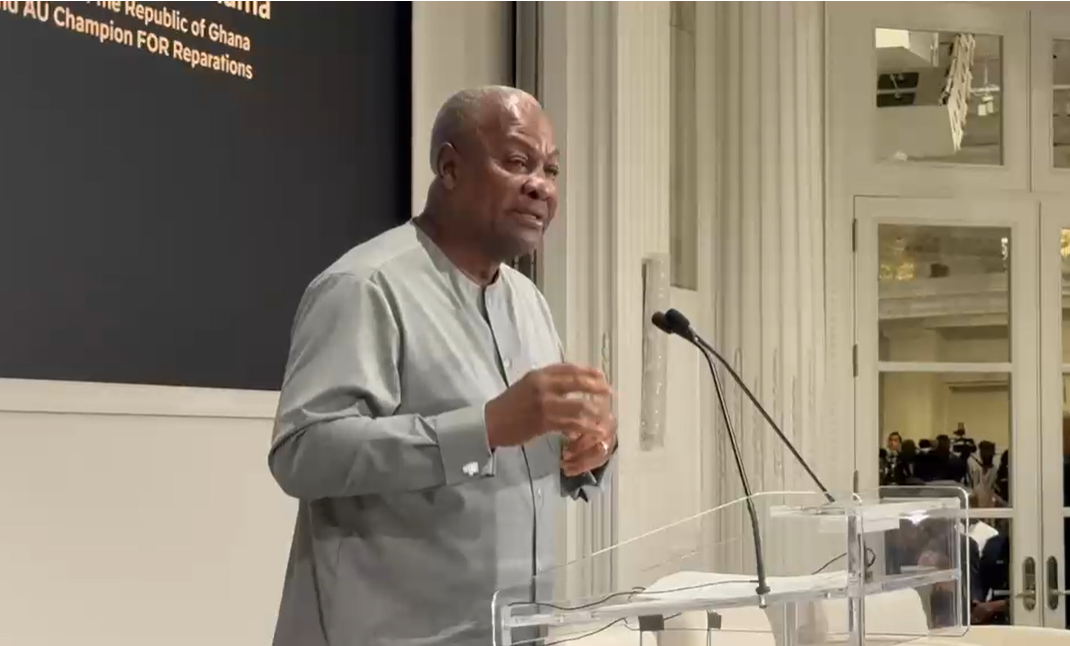
On September 23, 2026, at a high‑level side event on reparatory justice during the 81st United Nations General Assembly in New York, President John Dramani Mahama called for stronger international mechanisms to facilitate the return of African cultural heritage and ancestral remains held abroad.
He asserted that the persistence of colonial‑era collections erodes African identity and justice, and that legal reforms in holding countries are essential to remove procedural obstacles.
Historical Context and Precedents
European powers extracted thousands of objects and human remains from the continent during conquest, punitive expeditions, and colonial administration. The 1874 British demolition of the Asante Royal Palace in Kumasi resulted in the loss of royal regalia, some of which have begun to reappear in European institutions.
Recent restitutions, such as the 2024 return of the Mpomponsuo sword to Ghana and the 2009 repatriation of King Badu Bonsu II’s skull from the Netherlands, illustrate both the feasibility and symbolic weight of such gestures. Each case has sparked public debate about the moral responsibilities of former colonial powers.
Legal and Institutional Challenges
Current international instruments, including the 1970 UNESCO Convention, lack enforcement mechanisms and often rely on voluntary compliance. National legislation in museum‑holding states frequently imposes stringent provenance standards that exclude objects acquired before the mid‑20th century.
Mahama’s proposal calls for a coordinated review of these statutes, coupled with a UN‑mandated framework that could standardize restitution criteria, expedite claims, and provide technical assistance to claimant nations.
Potential Impact and Regional Capacity
Ghana has announced plans to expand museum infrastructure, including climate‑controlled storage and conservation labs, to receive returned items. Similar commitments are emerging across West Africa, signaling a regional readiness to preserve reclaimed heritage.
Repatriated artefacts and remains can enrich educational curricula, boost cultural tourism, and reinforce community narratives that were fragmented by colonial dispossession. The process also offers an avenue for reconciliation between former colonisers and African societies.
Looking Ahead
The UN and UNESCO are expected to convene a working group later this year to draft a binding protocol on cultural restitution. Successful adoption would require consensus among member states, transparent claim procedures, and sustained funding for preservation initiatives.
Mahama’s appeal underscores a broader shift toward decolonizing global heritage collections, a movement that may reshape museum practices worldwide.
0 Comments
Leave a Comment
No comments yet. Be the first to share your thoughts!