

Key Takeaways
- MP Nana Agyei Baffour Awuah says EOCO officials tried to force him into their vehicle without presenting identification.
- He declined the offer, drove himself to EOCO, and then proceeded to Parliament claiming sanctuary.
- The MP characterises the episode as an unlawful arrest and a state‑linked kidnapping attempt.
- The incident raises questions about EOCO procedures and parliamentary immunity in Ghana.
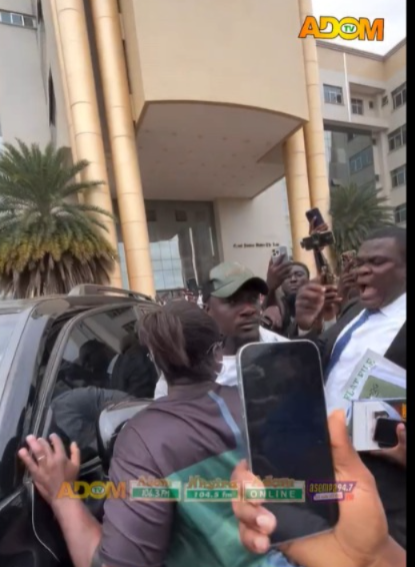
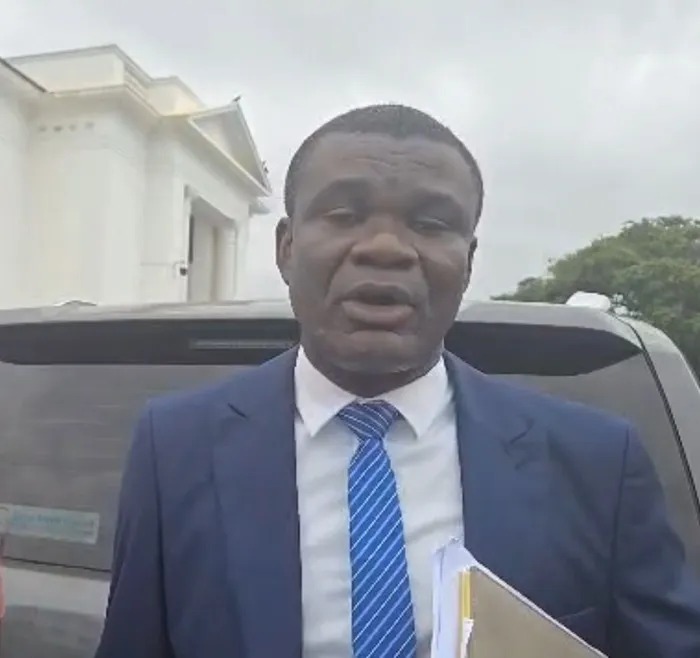
Nana Agyei Baffour Awuah, the Manhyia South Member of Parliament and a practising lawyer, recounted a confrontation with Economic and Organised Crime Office (EOCO) personnel outside the Accra High Court on Tuesday. After addressing reporters following court proceedings, a woman approached him, insisting he accompany her to EOCO.
Awuah described how the woman grasped his wrist, refused his offer to travel in his own car, and could not produce any official identification. Interpreting the encounter as a kidnapping attempt, he chose to drive himself to the agency before heading to Parliament, where he sought sanctuary.
Background & Context
EOCO, established in 2003, is Ghana’s primary anti‑corruption and organized‑crime investigative body. Its mandate includes probing high‑profile financial crimes and coordinating with other security agencies. Recent years have seen heightened public scrutiny of EOCO’s tactics, especially after allegations of politically motivated investigations.
Parliamentary privilege in Ghana grants members protection from arrest while attending parliamentary duties, a principle rooted in the 1992 Constitution. The privilege is intended to preserve legislative independence, but its boundaries become contested when law‑enforcement agencies claim jurisdiction over alleged offences.
Chronology of the Encounter
According to Awuah, the woman claimed EOCO had written to him three times, a statement he disputed. When he suggested travelling together in his own vehicle, the official insisted on using a police‑marked car. Awuah demanded to see identification; none was produced. He interpreted the refusal as indicative of a kidnapping plot, noting a rise in similar abduction attempts targeting public figures.
After refusing to enter the vehicle, Awuah drove to EOCO’s headquarters, stating he was prepared to cooperate if the agency followed proper protocol. Finding no immediate engagement, he proceeded to the parliamentary complex, invoking sanctuary to avoid what he termed an unlawful arrest.
Legal and Political Implications
The MP’s allegation of an “unlawful arrest” invokes constitutional safeguards that limit executive interference with legislative functions. If proven, the incident could trigger a breach of Article 95 of the Constitution, which outlines the immunity of Members of Parliament from arrest, detention, or any legal process while performing official duties.
Conversely, EOCO may argue that its mandate to investigate corruption justifies proactive engagement with public officials. The lack of documented correspondence, however, weakens any claim of procedural compliance. Legal scholars suggest that any future inquiry should focus on whether EOCO adhered to due‑process requirements, including presenting valid identification and a warrant when attempting to detain a parliamentarian.
Looking Ahead
The episode is likely to intensify debate over the balance between anti‑corruption enforcement and parliamentary independence. Opposition parties may use the incident to call for clearer guidelines governing EOCO interactions with legislators. Civil‑society organisations could demand an independent review of EOCO’s operational protocols.
Future developments will depend on whether EOCO initiates a formal investigation into the MP’s conduct and whether Parliament’s leadership issues a statement on the alleged breach of privilege. The outcome may set a precedent for how Ghana’s anti‑corruption apparatus engages with elected officials.

0 Comments
Leave a Comment
No comments yet. Be the first to share your thoughts!