Key Takeaways
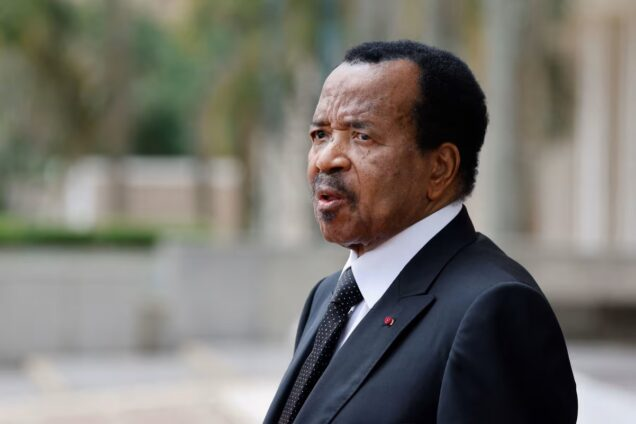
- Cameroonian President Paul Biya has been absent from the country for two months, sparking concerns about his health and governance.
- The 93-year-old leader has been in power since 1982, making him one of the world's longest-serving leaders.
- Biya's prolonged absence has raised questions about who is running the country and whether he has delegated powers to his prime minister or other officials.
Cameroonian President Paul Biya, 93, has been absent from the country for two months, prompting concerns about his health and governance. This is not the first time Biya has spent extended periods abroad, but the duration of his latest absence has raised eyebrows.
Biya, who has been in power since 1982, has a reputation for being reclusive and rarely seen in public. His office has had to repeatedly dispel rumors about his health, with government officials assuring the public that he is alive and will soon return.
Background & Context
Biya's long rule reflects a wider trend in Africa, where several countries are led by ageing leaders who have been in power for decades. The continent's youngest population is often left with limited opportunities and no choice but to live under the leadership of these aging elites.
The contrast between Africa's youthful population and its aging leadership is stark. While the average age of an African is just 19.5, several countries are still led by leaders in their 80s and 90s, including former liberation figures who have adapted to the changing times.
Biya's presidency has been marked by controversy and criticism, with many Cameroonians accusing him of failure to improve their lives. The country faces numerous challenges, including poor infrastructure, corruption, and a lack of jobs for young people.
Key Findings
A political analyst Collins Molua Ikome, based in Germany, has witnessed firsthand the problems plaguing Cameroon. He pointed to the country's poor roads, frequent power cuts, and corruption as major concerns.
Wilson Tamfuh, a public and international law professor at the University of Dschang, believes that the country's institutions can keep the government running when the president delegates responsibilities. However, he questioned whether the government is solving the country's longstanding problems.
Tamfuh highlighted the need to address the Anglophone crisis, improve living standards, and provide jobs for young people. He also emphasized the importance of access to quality healthcare, which remains a significant challenge for many Cameroonians.
Broader Implications
The divide between Africa's aging elites and its young population is not unique to Cameroon. Across the continent, political leaders have often sought healthcare or maintained homes abroad, while public services struggle at home.
For many Cameroonians, Biya's prolonged absence has raised concerns about the country's future. Bime, a 65-year-old retired teacher, worries that he may not live to see another president and that Biya could outlive him and many others who are not part of the country's elite.
Looking Ahead
Whenever Biya eventually leaves office, his successor will inherit a country facing numerous challenges, including attacks by Boko Haram militants, deep economic frustration among young people, and poor access to quality healthcare.
The next president will have to address these challenges and provide a vision for the country's future. For Cameroonians, the question is not just about who will succeed Biya but also about what kind of leadership the country needs to move forward.



0 Comments
Leave a Comment
No comments yet. Be the first to share your thoughts!