
Key Takeaways
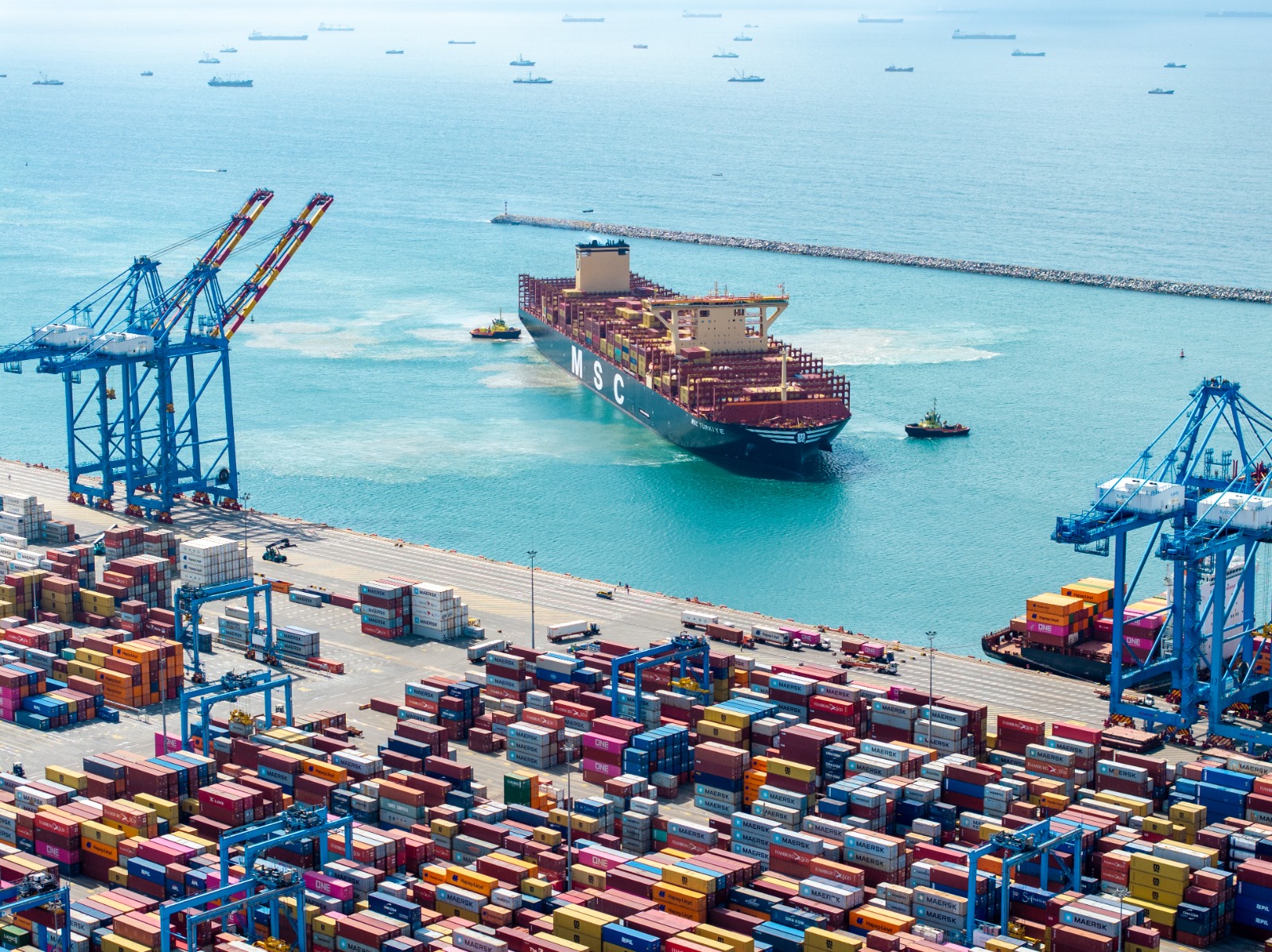
- President John Mahama orders the Narcotics Control Commission (NACOC) back into container inspections at Ghanaian ports.
- The directive reverses a 2018 decision by the previous NPP administration that excluded NACOC from port checks.
- Renewed NACOC involvement has already led to several narcotics‑related arrests.
- Authorities frame the move as essential to prevent Ghana from becoming a drug‑transit hub.
The executive branch has directed the Narcotics Control Commission to resume its role in scrutinising cargo entering and leaving Ghana’s major seaports. The order, announced by NDC Deputy Director of Elections and IT Rashid Tanko‑Computer on JoyNews’ The Pulse, is presented as a core element of the current government’s anti‑drug strategy.
Under the previous New Patriotic Party administration, NACOC was removed from the inspection chain in 2018, a decision the ruling party now characterises as a security lapse. The reinstatement aims to tighten controls on containers that could be used to ferry illicit substances through the country.
Background & Context
Ghana’s ports, especially Tema and Takoradi, handle a substantial share of West African trade, making them vulnerable points for contraband. Historical reports have highlighted the nation’s potential as a transit corridor for narcotics destined for Europe and North America. The 2018 policy shift that sidelined NACOC was justified at the time by the then‑government as a move to streamline customs procedures, but critics argued it created a blind spot in drug interdiction.
Since the change in administration, the National Democratic Congress has emphasised a “security‑first” agenda, linking drug trafficking to broader concerns about public health, corruption, and international reputation. The current directive restores a multi‑agency inspection model that integrates customs, immigration, and narcotics enforcement.
Operational Impact
Early reports from NACOC officials indicate a surge in seizures and arrests following the reinstatement. Intelligence units have flagged several containers flagged for irregular documentation, leading to coordinated raids that uncovered cocaine, heroin, and synthetic opioids. The agency’s “fantastic” performance, as described by Tanko‑Computer, reflects both increased manpower and enhanced scanning technology deployed at port terminals.
Customs officials have welcomed the collaboration, noting that shared intelligence reduces duplication of effort and shortens clearance times for legitimate cargo. However, logistical challenges remain, including the need for additional training of inspection staff and the integration of digital tracking systems to monitor high‑risk shipments.
Broader Implications
The policy reversal signals Ghana’s commitment to align with regional anti‑drug initiatives, such as the West African Drug Enforcement Commission (WADIC). Strengthening port security may also influence foreign investment decisions, as traders seek assurance that cargo handling will remain efficient despite heightened inspections.
Domestic political analysts view the move as a strategic effort by the Mahama administration to differentiate itself from its predecessor on matters of law enforcement. By foregrounding drug control, the government aims to bolster public confidence ahead of upcoming electoral cycles.
Looking Ahead
Future steps are likely to involve legislative amendments that formalise NACOC’s authority within the customs framework, as well as investments in advanced scanning equipment. Continuous monitoring of arrest statistics will be essential to assess the long‑term efficacy of the reinstated inspection regime.
Stakeholders across the logistics chain will need to adapt to the heightened scrutiny, balancing security imperatives with the demand for swift trade facilitation.


0 Comments
Leave a Comment
No comments yet. Be the first to share your thoughts!