
Key Takeaways
- Recent improvements in Ghana's macro indicators are encouraging but not yet evidence of lasting stability.
- Kyerematen argues that at least a decade of 8‑10% annual growth is required to cement economic confidence.
- He stresses that stabilization and growth are interdependent and must be pursued together by any administration.
- Both NDC and NPP tend to celebrate short‑term gains without sufficient scrutiny.
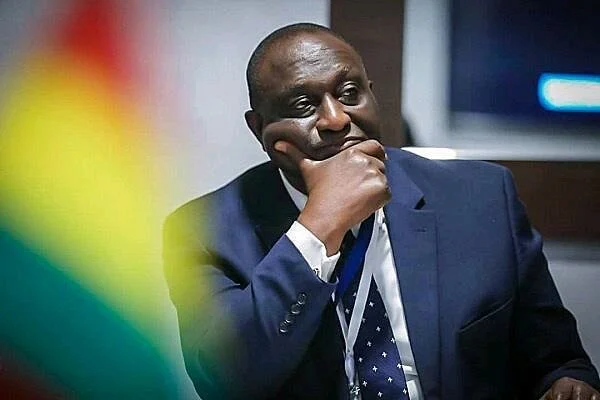
On September 21, United Party founder and leader Alan Kyerematen warned that Ghana’s recent macroeconomic gains fall short of the threshold for sustained stability. He framed the observation within the broader debate over how successive governments assess economic performance.
Speaking on Channel One TV, Kyerematen criticized the reflexive praise that often follows modest improvements and outlined a growth trajectory he believes is essential for genuine confidence in the economy.
Political Context
Ghana’s political landscape has been dominated by the National Democratic Congress and the New Patriotic Party, each leveraging economic data to validate policy agendas. Electoral cycles frequently prompt administrations to highlight short‑term metrics as evidence of success, a pattern Kyerematen suggests undermines long‑term planning.
The United Party’s emergence adds a third voice that calls for a more measured appraisal of macro trends, arguing that policy credibility hinges on transparent, longitudinal analysis rather than episodic celebration.
Economic Indicators and Growth Targets
Current data show Ghana’s economy expanding at roughly six percent annually, a rate described by the party leader as “good but still a trend.” He contends that a single‑digit growth figure, while positive, does not guarantee resilience against external shocks or fiscal pressures.
Kyerematen proposes a benchmark of eight to ten percent growth sustained over ten years as the metric that would transform temporary recovery into structural stability. Such a target, he notes, would broaden the tax base, reduce debt‑to‑GDP ratios, and create a buffer for future downturns.
Policy Implications
Stabilisation and growth, according to Kyerematen, are two sides of the same coin. Fiscal discipline, monetary policy alignment, and infrastructure investment must advance in tandem to avoid the pitfalls of growth without stability or stability without growth.
The call for coordinated action implies that both the NDC and NPP need to adopt bipartisan frameworks that prioritize long‑term objectives, including diversification of exports, enhancement of the business climate, and prudent debt management.
Looking Ahead
If Ghana can sustain an eight‑plus percent expansion for a decade, the country could solidify its standing as a regional economic hub and attract deeper foreign direct investment. Conversely, a failure to meet the proposed threshold may prolong vulnerability to commodity price volatility and fiscal imbalances.
Stakeholders across government, the private sector, and civil society are now positioned to evaluate whether the current trajectory can be accelerated, or whether a recalibration of policy priorities is required to meet the decade‑long growth ambition.

0 Comments
Leave a Comment
No comments yet. Be the first to share your thoughts!