
Key Takeaways
- Each Ghana Premier League club will receive GHC1 million for the 2026/27 season, with the champion earning GHC3 million.
- The total disbursement amounts to GHC9.5 million, mirroring the previous government intervention.
- The league has been without a headline sponsor for seven years, highlighting financial sustainability concerns.
- Officials cite marketing, player development and governance reforms as essential to attract corporate investment.
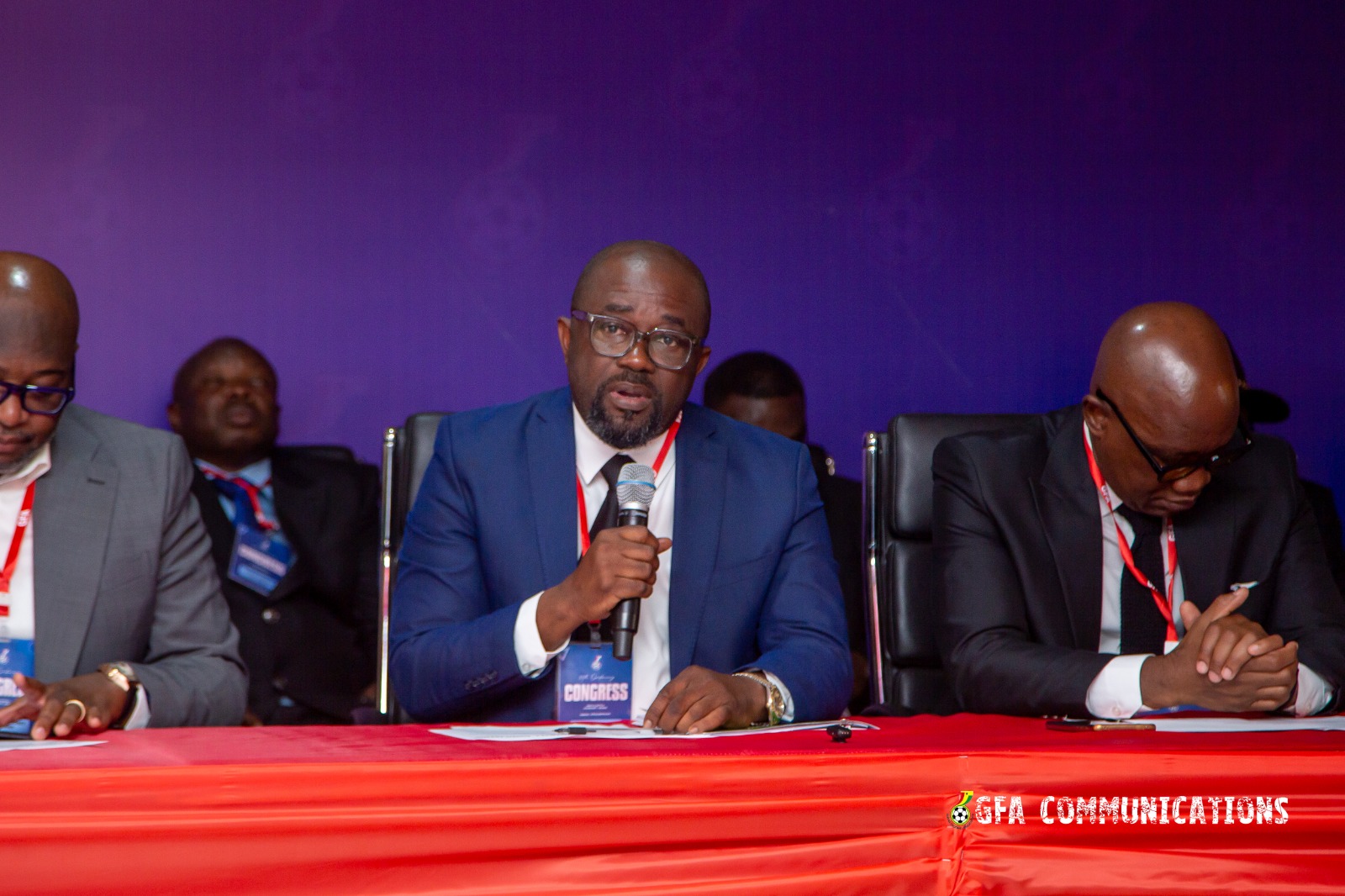
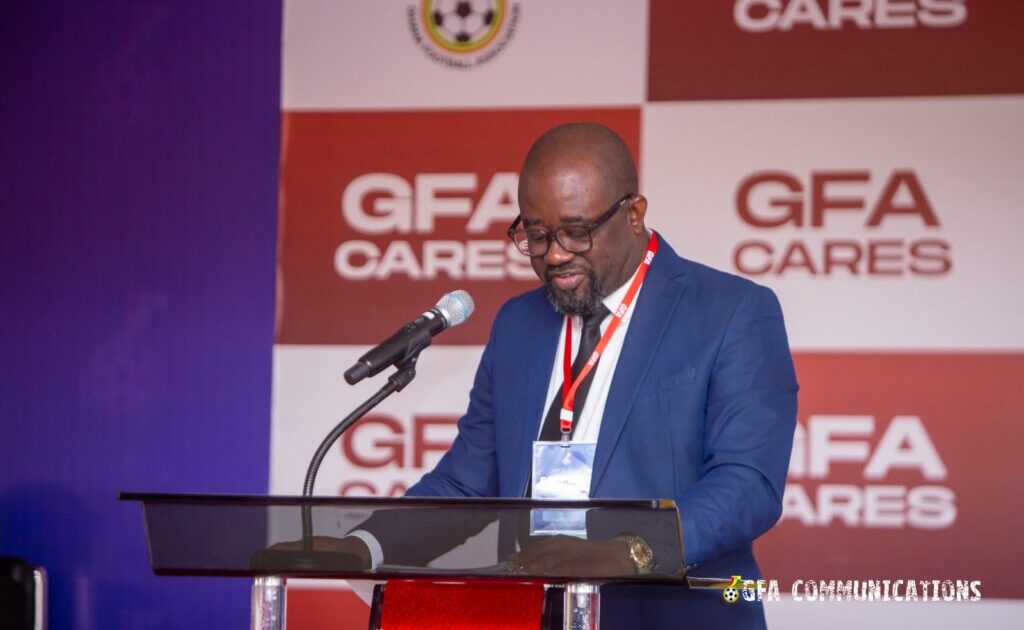
The Ghana Football Association confirmed a fresh financial package during its 32nd Ordinary Congress at the Ghanaman Soccer Centre of Excellence. President Kurt Okraku outlined a GHC1 million grant for each of the 18 Premier League clubs and a GHC3 million prize for the eventual champion, bringing the total allocation to GHC9.5 million.
The move follows a similar government‑backed infusion ahead of the 2025/26 campaign, which was presented as a lifeline for clubs grappling with rising operational costs.
Financial Package and Immediate Impact
Direct cash injections into club accounts reduce the short‑term budget gap that many teams face. For Aduana FC, the grant could cover roughly one‑third of the season’s expenses, according to the club’s chief executive. The consistency of the support—announced for two consecutive seasons—offers a degree of predictability that had been absent in recent years.
While the funds alleviate immediate cash‑flow pressures, they do not address the structural revenue deficits that stem from limited broadcast rights, modest ticket sales and scant commercial partnerships. The grants are therefore a stop‑gap rather than a sustainable financing model.
Sponsorship Gap and Historical Context
Since 2017 the league has operated without a headline sponsor, a stark contrast to earlier periods when companies such as Kinapharma, Ghana Telecom, OneTouch, Globacom and First Capital Plus Bank anchored the competition financially. The most lucrative of those deals, a five‑year Globacom agreement worth approximately $15 million, was terminated prematurely.
Betting firm betPawa entered a three‑year, $6 million sponsorship in 2022 but withdrew before the term ended, citing a shift toward direct player bonuses. The repeated loss of marquee partners raises questions about the league’s commercial appeal and its ability to deliver measurable returns on investment.
Structural Challenges and Marketability
Stakeholders repeatedly cite declining fan attendance, inadequate marketing, allegations of match manipulation and substandard playing surfaces as barriers to growth. Governance issues and inconsistent officiating further erode confidence among potential sponsors.
Minister of Sports and Recreation Kofi Adams highlighted the absence of recognizable star players and compelling narratives, noting that past icons such as Charles Taylor and Dong Bortey once drove fan engagement. In an era of abundant media platforms, the league’s failure to produce marketable personalities undermines its entertainment value.
Addressing these challenges requires deliberate investment in talent identification, sports science, data analytics and media strategy—components that modern football ecosystems leverage to attract corporate backing.
Looking Ahead
The forthcoming season will test whether government assistance can coexist with a renewed push for a headline sponsor. Successful negotiations with corporate partners, coupled with reforms in governance, marketing and player development, will be pivotal for the league’s long‑term viability.
If the Ghana Premier League secures a sustainable sponsorship framework, the financial grants can transition from a lifeline to a complementary resource, supporting a competition that competes on merit rather than on fiscal contingency.
0 Comments
Leave a Comment
No comments yet. Be the first to share your thoughts!