
Key Takeaways
- Bishops cautioned that the Chief Justice’s reference to the "past eight years" could be read as partisan.
- Judicial Service affirmed the comments were made in good faith but acknowledged concerns about perceived bias.
- The episode underscores the importance of both actual and visible judicial independence.
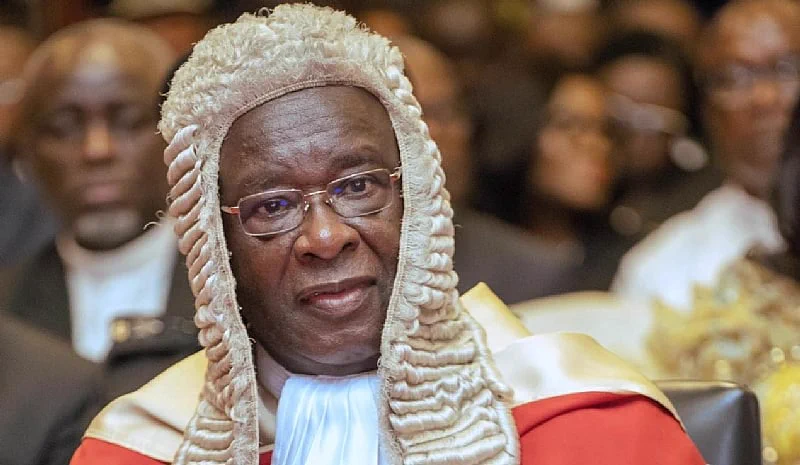
The Ghana Catholic Bishops’ Conference issued a public statement after Chief Justice Paul Baffoe‑Bonnie praised the recent performance of SSNIT and the Minerals Income Investment Fund. In doing so, he mentioned the "past eight years," a phrase the bishops argue readily invites a political comparison.
The bishops’ intervention highlights a tension between a senior judge’s freedom to comment on institutional progress and the judiciary’s need to appear unequivocally neutral.
Background & Context
On September 2, 2026, the Chief Justice visited two state‑linked entities, commending operational improvements. The visit was part of a routine oversight schedule, yet the temporal reference to the previous administration introduced a political dimension that the bishops deemed unnecessary.
In Ghana’s partisan landscape, any allusion to a specific governmental era can be interpreted as endorsement or criticism, potentially eroding public confidence in the courts.
Judicial Independence and Public Perception
Judicial independence rests on two pillars: substantive impartiality and the perception of impartiality. The bishops stressed that the head of the judiciary must be seen as above partisan contest, not merely act without bias.
The Ghana Centre for Democratic Development echoed this view, warning that remarks perceived as partisan could weaken the judiciary’s authority to adjudicate disputes involving political actors.
Reactions from Civil Society and Government
The Judicial Service responded that the Chief Justice’s observations were intended as an assessment of institutional performance, not a political judgment. While the clarification was accepted, the bishops maintained that the incident raised a broader question about public trust.
Political leaders were urged to refrain from exploiting the controversy for partisan gain. The bishops called for restraint from both the governing party and the opposition, emphasizing that the judiciary should not be drawn into electoral battles.
Looking Ahead
Future engagements by senior judges are likely to be framed with heightened awareness of language that could be construed as political. The episode may prompt the Judicial Service to develop clearer guidelines on public commentary.
Continued dialogue between religious bodies, civil society, and the judiciary could reinforce standards that safeguard both the reality and appearance of judicial independence.




0 Comments
Leave a Comment
No comments yet. Be the first to share your thoughts!