
Key Takeaways
- The Ghana cedi depreciated by 3.1% against the US dollar in July 2026.
- The year-to-date loss of the cedi in the interbank market reached 10.4%.
- The Bank of Ghana's gross foreign reserves declined by US$1.2 billion to US$12.9 billion.
- The cedi is expected to face a slight downside risk in August 2026 due to constrained intervention capacity.
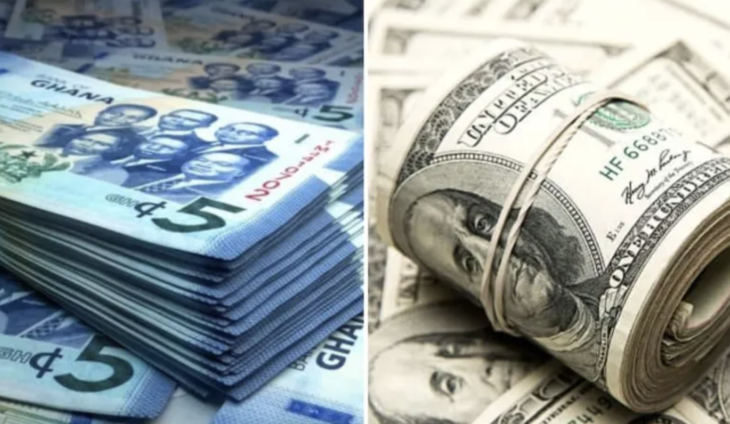
The Ghana cedi's value continues to be a subject of interest for investors and policymakers alike. In July 2026, the cedi depreciated by 3.1% against the US dollar, reversing most of its June 2026 gain. This development has taken the year-to-date loss of the cedi in the interbank market to 10.4%.
The foreign exchange demand rebounded in July 2026 after June's retreat, partly due to energy and other imports. Market analysts attribute this increase in demand to the need for essential goods and services, which has put pressure on the cedi's value.
Background & Context
The Bank of Ghana's gross foreign reserves have been under scrutiny in recent months. The US$700 million Eurobond payment and the US$811 million forex intervention in June trimmed the reserves by US$1.2 billion to US$12.9 billion. This development has raised concerns about the Bank of Ghana's ability to intervene in the foreign exchange market.
The Bank of Ghana's financial position has been under pressure due to sustained import demand and cautious forex supply conditions. This has led to a decline in the value of the cedi against major currencies, including the US dollar.
Key Findings
The cedi is currently trading at GH¢12.42 in the retail market, while in the interbank market, it is trading at a higher rate. The depreciation of the cedi against the US dollar in July 2026 has raised concerns about the country's economic stability.
According to the Bank of Ghana, the cedi depreciated by approximately 8.4% against the US dollar in the first five months of 2026. This poor performance has been attributed to sustained import demand and cautious forex supply conditions.
Broader Implications
The depreciation of the cedi against major currencies has significant implications for the country's economy. It increases the cost of imports, which can lead to inflation and a decline in the purchasing power of consumers.
The Bank of Ghana's constrained intervention capacity has left the cedi vulnerable to further depreciation. This highlights the need for policymakers to implement measures to stabilize the foreign exchange market and mitigate the risks associated with currency fluctuations.
Looking Ahead
The cedi is expected to face a slight downside risk in August 2026 due to constrained intervention capacity. However, the Bank of Ghana is expected to continue its regular intermediation in the foreign exchange market, albeit with limited scope for intervention.
The country's economic stability will depend on the Bank of Ghana's ability to manage the foreign exchange market and mitigate the risks associated with currency fluctuations. This will require a combination of monetary and fiscal policies that promote stability and growth in the economy.





0 Comments
Leave a Comment
No comments yet. Be the first to share your thoughts!