
Key Takeaways
- Body of 37‑year‑old Nash Amoonu Jailor returned to Ghana on 3 September 2026.
- Ministry of Foreign Affairs covered all repatriation costs.
- Foreign Affairs Minister Samuel Okudzeto Ablakwa called for a swift investigation.
- Government reaffirmed commitment to protect Ghanaians abroad.
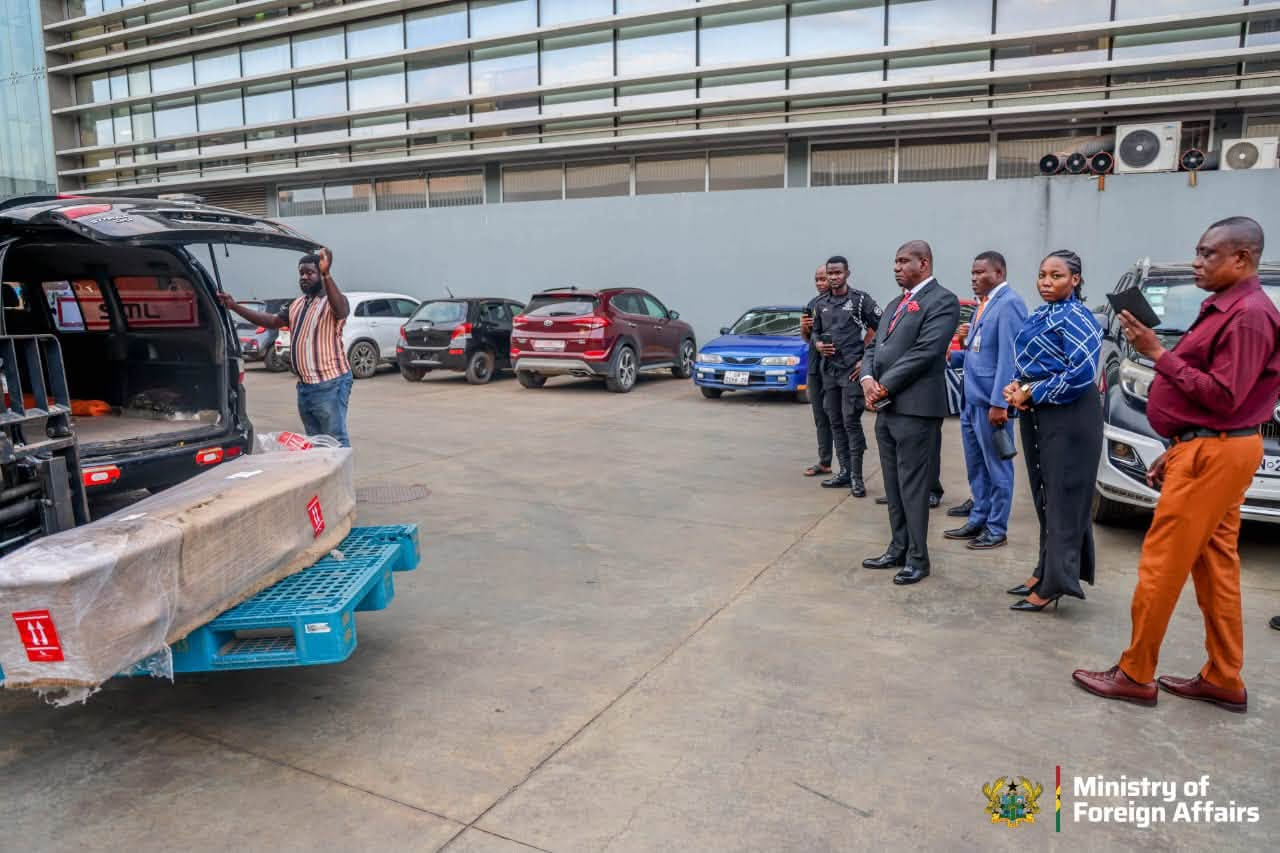
The remains of Nash Amoonu Jailor, a Ghanaian citizen murdered in an alleged mob assault in East London, arrived at Ghana’s Kotoka International Airport on Thursday afternoon. Officials from the Ministry of Foreign Affairs formally handed the body to his family, concluding a diplomatic effort that began shortly after the March incident.
Minister Ablakwa expressed condolences and pledged state support for the grieving relatives while urging South African authorities to pursue a thorough inquiry. The repatriation, financed entirely by the Ghanaian government, underscores a policy of zero‑cost assistance for families of citizens who die overseas.
Background & Context
Jailor’s death occurred amid rising concerns about the safety of African nationals in the United Kingdom, where recent reports have highlighted sporadic violence targeting immigrant communities. The incident sparked diplomatic notes between Accra and Pretoria, reflecting Ghana’s reliance on its high commission in South Africa to coordinate consular services for citizens in the region.
Historically, Ghana has repatriated the remains of nationals who die abroad, a practice rooted in cultural imperatives and legal obligations under the 1965 Convention on the Reduction of Statelessness. The 2026 case follows similar operations for victims of road accidents and health emergencies in Europe and the Middle East.
Government Response
The Ministry of Foreign Affairs activated its emergency protocol, deploying a liaison team to Pretoria to negotiate with South African officials and arrange transport. All logistical expenses, including air freight, embalming, and diplomatic clearances, were absorbed by the state, eliminating financial burden on the family.
Minister Ablakwa’s public statement emphasized the government’s duty to safeguard the welfare of Ghanaians abroad, a stance reinforced by recent budget allocations for overseas consular assistance. The call for a swift investigation aligns with Ghana’s broader strategy to hold foreign jurisdictions accountable for crimes against its citizens.
Implications for the Ghanaian Diaspora
The episode highlights vulnerabilities faced by Ghanaian migrants in high‑risk urban environments and may prompt a reassessment of community outreach programs by Ghanaian embassies. Experts suggest that enhanced cooperation with host‑country law enforcement could mitigate future incidents.
Additionally, the transparent handling of the repatriation may strengthen trust between diaspora communities and the home government, encouraging migrants to seek consular help without fear of bureaucratic obstacles.
Looking Ahead
Accra is expected to monitor the progress of South African investigations closely, with the possibility of bilateral diplomatic engagement should the inquiry stall. Future policy discussions may focus on expanding emergency response units within Ghanaian missions to expedite assistance for citizens in crisis.
Continued investment in diaspora relations and safety protocols could serve as a preventive measure, reinforcing Ghana’s commitment to the protection of its people wherever they reside.




0 Comments
Leave a Comment
No comments yet. Be the first to share your thoughts!