
Key Takeaways
- The Ghanaian government plans to establish a second National Theatre in Kumasi, the second largest city in the country.
- However, the current priority is to complete an existing Theatre and Centre for National Culture project in the Ashanti Region.
- The proposed Kumasi National Theatre aims to expand cultural and creative infrastructure in the region.
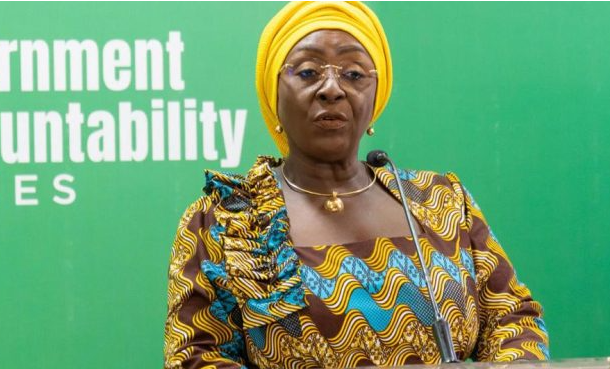
The Ghanaian government is intensifying its efforts to bolster the country's cultural and creative arts industry. A key component of this strategy is the planned construction of a second National Theatre in Kumasi, the capital of the Ashanti Region. However, the Minister for Tourism, Culture and Creative Arts, Abla Dzifa Gomashie, has emphasized the need to complete an existing theatre and Centre for National Culture project in the region before embarking on a new facility.
The Minister's statement comes on the back of a recent tour of theatre and cultural facilities in the Ashanti Region, during which she proposed to Cabinet that the government focus on completing an already existing project rather than starting construction of an entirely new facility.
Background & Context
The National Theatre in Ghana is a landmark institution that has played a pivotal role in promoting the country's cultural heritage. Established in 1992, the theatre has been a hub for artistic expression, hosting numerous performances and events that have showcased the rich cultural diversity of Ghana. The proposed second National Theatre in Kumasi is expected to expand access to major performing arts and cultural infrastructure in the Ashanti Region, creating additional space for creative productions and cultural activities.
However, the existing National Theatre in Accra has been facing challenges, including a lack of adequate facilities and infrastructure. The proposed rehabilitation of the National Theatre is part of efforts to improve facilities available to the creative arts industry, ensuring that artists and performers have access to world-class infrastructure.
Key Findings
The Minister's proposal to complete an existing project before embarking on a new facility has been met with approval from Cabinet, paving the way for work on the existing facility to be completed. This approach is expected to ensure that government resources are used efficiently, completing existing infrastructure before committing funds to new projects.
The proposed second National Theatre in Kumasi is seen as a strategic move to strengthen the country's cultural and creative arts infrastructure, particularly in the Ashanti Region. The project is expected to create additional opportunities for artistic expression, cultural development, and economic growth.
Broader Implications
The planned construction of a second National Theatre in Kumasi has broader implications for the country's cultural and creative arts industry. It is expected to create a ripple effect, inspiring the development of more cultural and artistic infrastructure in other regions. This, in turn, is likely to boost the country's creative economy, creating jobs and opportunities for artists and performers.
The project also has the potential to promote cultural exchange and collaboration between Ghana and other countries, contributing to the country's global reputation as a hub for cultural and artistic expression.
Looking Ahead
The proposed second National Theatre in Kumasi is expected to be a game-changer for the country's cultural and creative arts industry, providing a platform for artistic expression and cultural development. As the project moves forward, it is essential to ensure that it is executed efficiently, meeting the needs of artists and performers while also contributing to the country's economic growth.
The government's commitment to completing existing infrastructure before embarking on new projects is a welcome development, ensuring that resources are used effectively and efficiently. As the country looks ahead, it is clear that the proposed second National Theatre in Kumasi is a vital step towards strengthening the country's cultural and creative arts infrastructure.

0 Comments
Leave a Comment
No comments yet. Be the first to share your thoughts!