
Key Takeaways
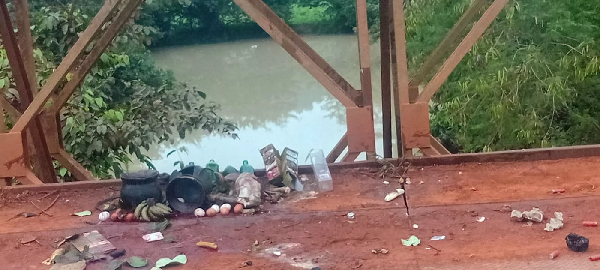
- The Amoma River in Ghana's Atronie community has been severely impacted by illegal mining activities.
- Residents have turned to spiritual rites to invoke protection and divine intervention to save the river.
- The rituals involve traditional war songs and marches to the riverbanks.
- The community aims to seek spiritual power to drive away harmful activities and preserve natural resources.
The Amoma River in Atronie, Ghana, has faced significant degradation due to illegal mining activities, threatening the community's water source and livelihoods. In response, residents have resorted to traditional spiritual rites to invoke protection and divine intervention.
Okomfo Kwasi Nyantakyi, a respected spiritual leader, has led the rituals, which involve chanting traditional war songs and marching to the riverbanks. This ancient practice is deeply rooted in Ghanaian culture, where communities often turn to spiritual forces to address pressing concerns.
Background & Context
The Amoma River is a vital water source for Atronie and surrounding communities, supporting agriculture, fishing, and other vital economic activities. However, the devastating effects of illegal mining have compromised the river's ecosystem, posing a significant threat to the community's well-being.
The situation is not unique to Atronie, as numerous Ghanaian communities have been affected by the destructive impacts of illegal mining. This has led to widespread concerns about the country's environmental and social sustainability.
Key Findings
The spiritual rites, led by Okomfo Kwasi Nyantakyi, are centered around invoking the ancestors and traditional spiritual forces to protect the river and its resources. Residents believe that these spiritual powers can drive away harmful activities and restore balance to the community's natural environment.
The rituals have been ongoing for several years, with the community gathering to perform traditional dances, chant war songs, and march to the riverbanks. This collective effort aims to demonstrate the community's determination to preserve their natural resources and protect their way of life.
Broader Implications
The Amoma River crisis serves as a poignant reminder of the urgent need for sustainable environmental practices in Ghana. The country's rich cultural heritage, including traditional spiritual practices, should be harnessed to inform and guide efforts to protect the environment and preserve natural resources.
The international community can learn from Ghana's experiences, recognizing the importance of cultural and environmental sustainability in addressing pressing global challenges. By acknowledging and respecting traditional practices, we can develop more effective and inclusive approaches to environmental conservation.
Looking Ahead
As the Amoma River community continues to face the challenges of illegal mining, it is crucial to explore long-term solutions that balance economic development with environmental protection. By engaging local stakeholders, including traditional leaders and community members, we can develop effective strategies to preserve the river's ecosystem and ensure the community's long-term sustainability.
Ultimately, the Amoma River crisis serves as a call to action, highlighting the need for collaborative efforts to protect the environment and preserve cultural heritage. By working together, we can create a more sustainable future for generations to come.


0 Comments
Leave a Comment
No comments yet. Be the first to share your thoughts!