
Key Takeaways
- Odartey Lamptey advocates for better remuneration and treatment of local coaches to enhance football development in Ghana.
- He believes the country's coaches are undervalued and disrespected, which contributes to the perception that foreign coaches are superior.
- Low salaries hinder local coaches' ability to invest in professional development, limiting their potential to improve the quality of coaching in Ghana.
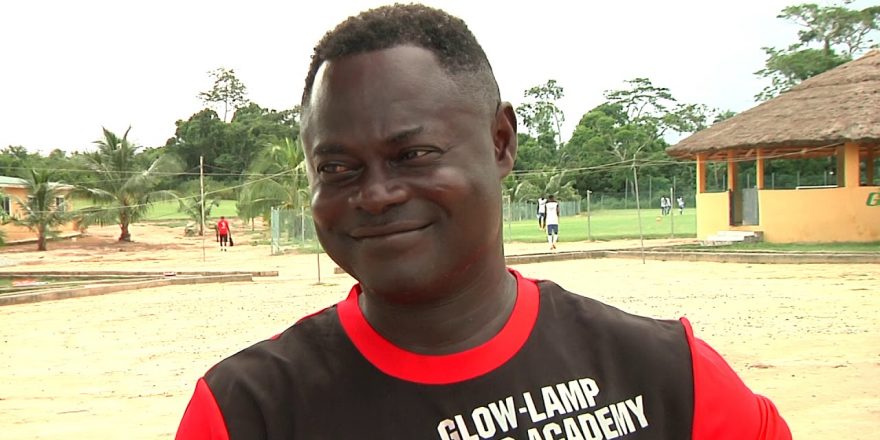
Odartey Lamptey, a former Ghana international and owner of Glo Lamp Academy, has added his voice to the growing chorus of stakeholders calling for improvement in the treatment and remuneration of local coaches in Ghana. Speaking on Asempa FM's Ultimate Sports Show, Lamptey emphasized the need for better working conditions and recognition for local coaches, who he believes have been undervalued for years.
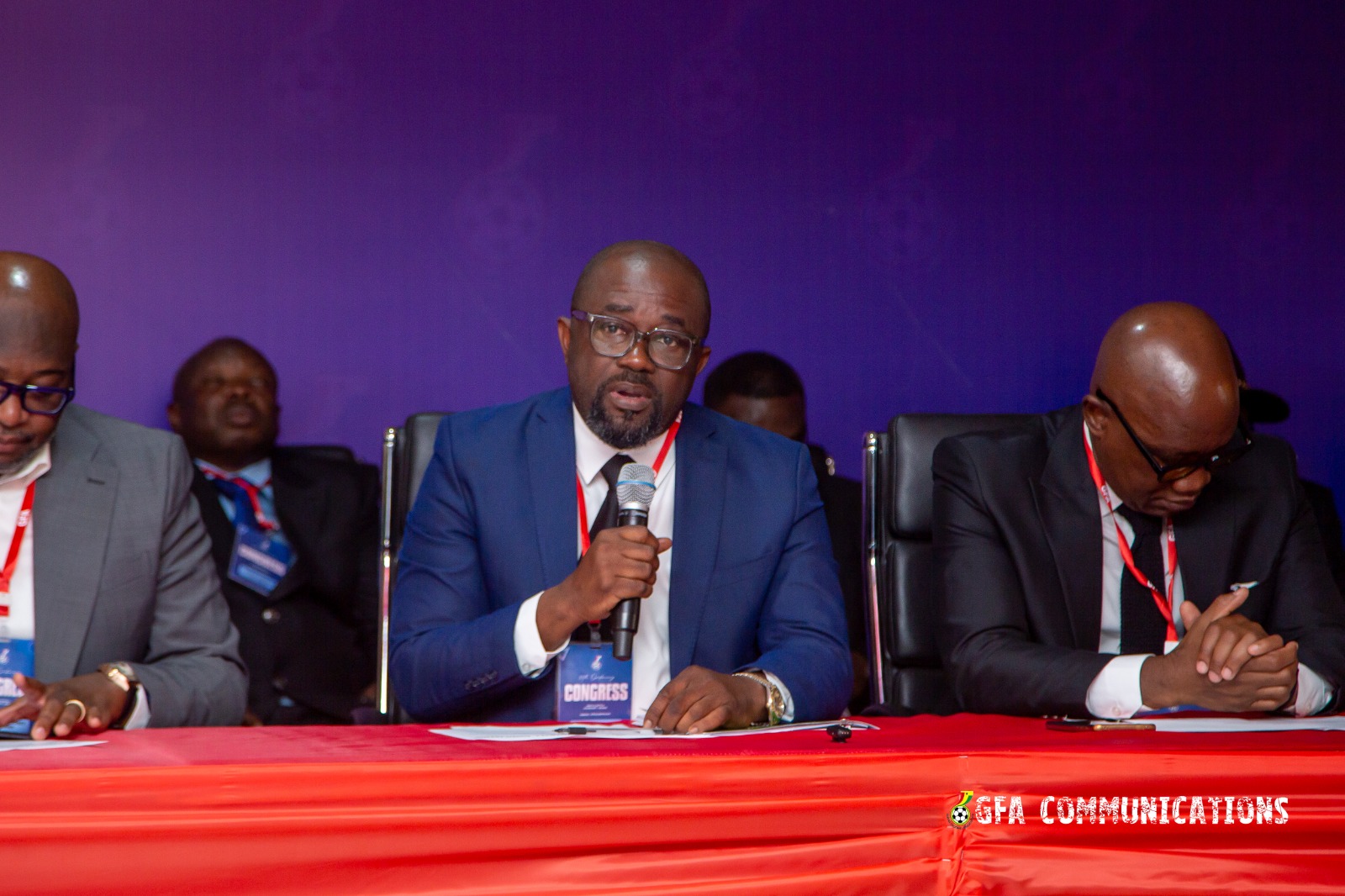
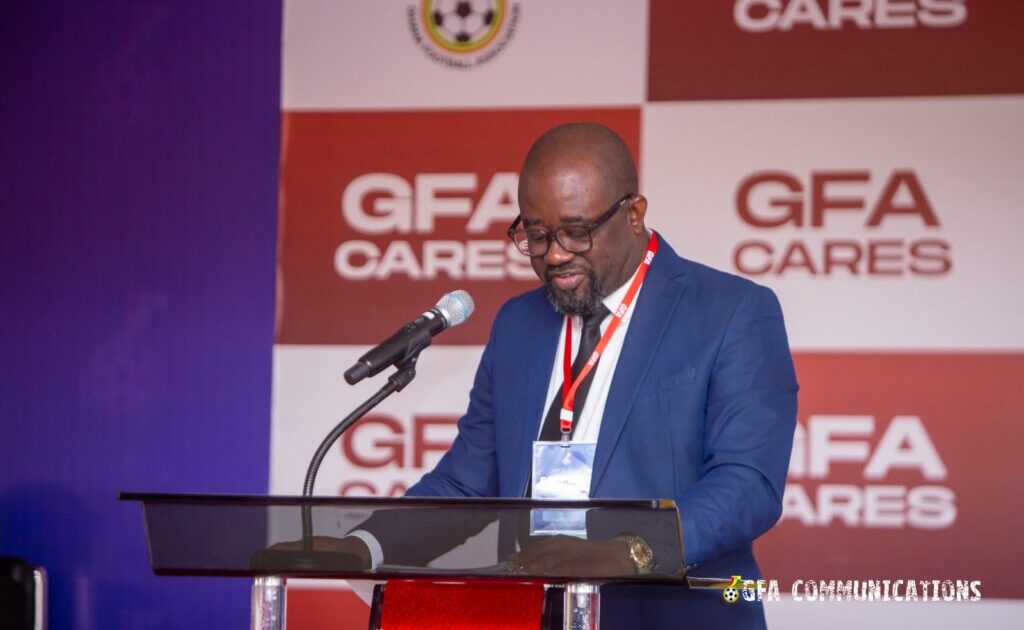
Lamptey's comments come at a time when the Ghana Football Association (GFA) is exploring ways to enhance the quality of coaching and player development in the country. The GFA's efforts are part of a broader initiative to strengthen the local football ecosystem and position Ghana as a major player in African football.
Background & Context
The treatment and remuneration of local coaches have long been a concern in Ghanaian football. Despite their experience and knowledge of the domestic game, many local coaches have been overlooked in favor of expatriate managers. This trend has contributed to the perception that foreign coaches are superior, with some even suggesting that they possess a deeper understanding of the game.
However, critics argue that this perception is largely based on superficial factors, such as a foreign coach's ability to command a higher salary or attract international attention. In reality, local coaches possess a unique understanding of the Ghanaian football landscape, which is essential for developing players and teams that can compete at the highest level.
Key Findings
Odartey Lamptey's comments highlight the need for a more nuanced approach to coaching development in Ghana. By investing in the training and education of local coaches, the GFA can create a more sustainable and effective coaching structure that prioritizes the needs of Ghanaian players and teams.
Lamptey's argument is further supported by the fact that many of the most successful football countries in the world, such as Brazil and Spain, have invested heavily in their coaching infrastructure. By emulating these models, Ghana can create a more robust and competitive football ecosystem that produces top-class players and teams.
Broader Implications
The treatment and remuneration of local coaches have far-reaching implications for the development of football in Ghana. By undervaluing and disrespecting local coaches, the country risks stifling the growth of a new generation of coaches who could potentially lead Ghanaian teams to victory on the international stage.
Furthermore, the lack of investment in coaching development perpetuates a cycle of underdevelopment, where Ghanaian players and teams are not able to compete at the highest level. By prioritizing the needs of local coaches, Ghana can break this cycle and create a more sustainable and competitive football ecosystem.
Looking Ahead
As the GFA continues to explore ways to enhance coaching development in Ghana, Odartey Lamptey's comments offer a timely reminder of the need for a more nuanced approach to coaching. By investing in local coaches and prioritizing their needs, Ghana can create a more robust and competitive football ecosystem that produces top-class players and teams.
The 2026/27 football season, which is set to begin from September 4-7, 2026, and end from May 28-31, 2027, offers a new opportunity for Ghana to showcase its coaching talent and compete at the highest level. With a more sustainable and effective coaching structure in place, Ghana can look forward to a brighter future in football.

0 Comments
Leave a Comment
No comments yet. Be the first to share your thoughts!