
Key Takeaways
- The proposed Value Chain Industries Bank would provide long-term capital to address the mismatch between short-term financing and the longer investment periods required to build competitive industries.
- The bank would target agriculture, manufacturing, fast-moving consumer goods (FMCGs), and export value chains, aligning financing with the gestation period of the industry being financed.
- The proposed model would leverage productive assets held by Ghanaian companies and recognize biological assets in agricultural financing, including commercial cocoa, oil palm, citrus, and avocado plantations.
Ghana's ambition to build a productive 24-Hour Economy may face significant financing constraints unless the country changes how it funds agriculture and industry. Private-sector players have proposed a Value Chain Industries Bank (VCIB) to provide long-term capital from raw-material production through manufacturing to the final market.
The proposed private-sector-led development finance institution would target agriculture, manufacturing, fast-moving consumer goods (FMCGs), and export value chains, addressing what industry stakeholders see as a persistent mismatch between short-term financing and the longer investment periods required to build competitive industries.
Background & Context
The President John Dramani Mahama's 24-Hour Economy agenda seeks to expand production, employment, and value addition. However, operating factories for longer hours will require more raw materials, working capital, logistics, warehousing, and market demand. Financing must therefore follow the entire production chain rather than treating factories as isolated investments.
An agro-processing company, for example, may have to establish a factory while simultaneously developing thousands of acres of raw materials, building outgrower networks, establishing distribution, and penetrating domestic and export markets. These investments can take up to ten years to mature, yet some industrial projects have had to operate within financing periods of about six years, creating repayment pressure before their agricultural and commercial ecosystems reach sufficient scale.
Key Findings
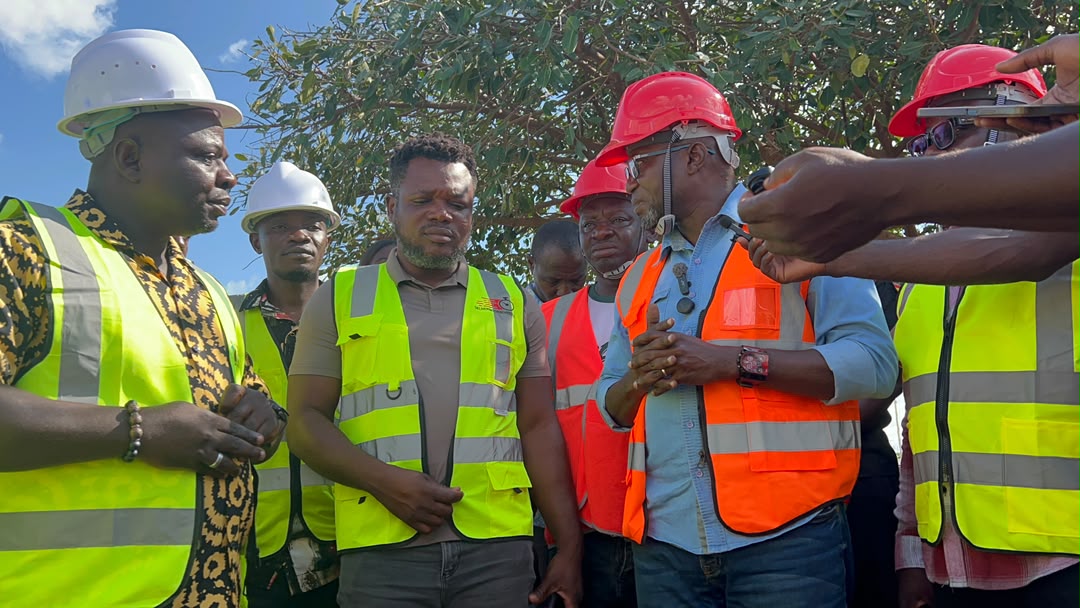
The experience of indigenous agro-processing companies such as Ekumfi Fruits & Juices highlights the challenge. A large processing facility cannot operate efficiently without adequate raw materials, and where financing builds factory capacity without simultaneously expanding farms and outgrower production, utilization can remain below installed capacity.
Low utilization raises unit costs, weakens competitiveness, and puts pressure on cash flow and debt servicing. The factory may have been financed, but the value chain was not. Unlike another wholly state-owned development bank, VCIB would be substantially private-sector driven, bringing together manufacturers, agribusinesses, FMCGs, institutional investors, and private capital, with government participating as a strategic partner and potentially a minority investor.
Broad Implications
The proposed bank would leverage productive assets already held by Ghanaian companies, including factories, machinery, warehouses, farms, plantations, inventories, receivables, and distribution networks, to mobilize larger pools of long-term capital. One of its proposed innovations is greater recognition of biological assets in agricultural financing, including commercial cocoa, oil palm, citrus, avocado, and other plantations.
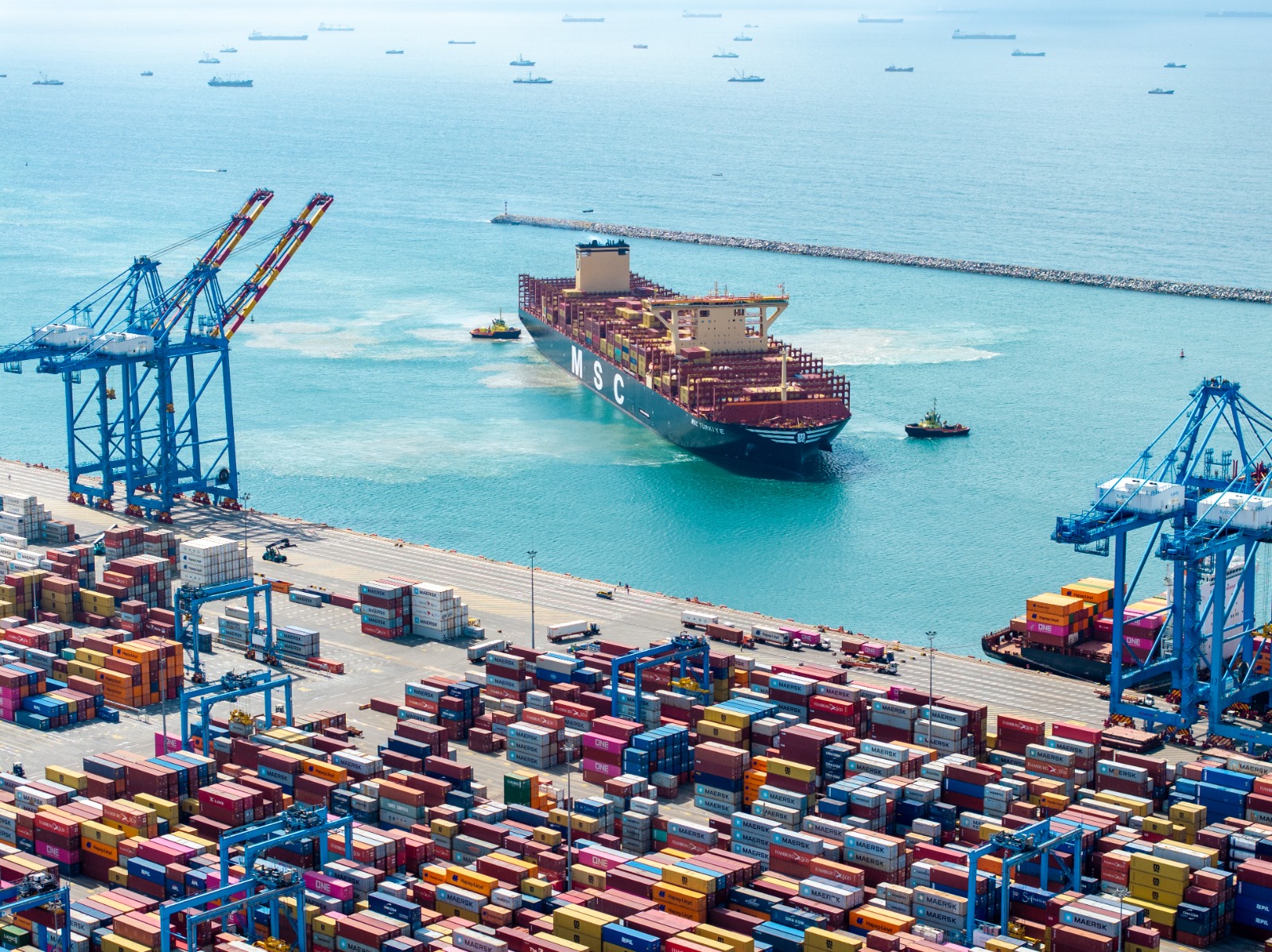
The approach effectively moves industrial financing from "finance, produce, and search for a market" towards "identify demand, secure offtake, produce, and finance." This could also support Ghana's import-substitution strategy, where products currently imported but capable of being produced competitively in Ghana could be identified, with financing directed across the raw-material, processing, manufacturing, and distribution chain required to replace those imports.
Looking Ahead
The proposal must still demonstrate that it can be converted into a financially viable and properly regulated institution. Proponents are expected to engage government and the Bank of Ghana on feasibility, licensing, capitalization, ownership, governance, and the appropriate prudential framework.
If Ghana wants to grow what it processes, process more of what it grows, substitute imports, and expand exports, financing cannot stop at the factory gate. It must run through the entire value chain—from the raw material to the final consumer.



0 Comments
Leave a Comment
No comments yet. Be the first to share your thoughts!