
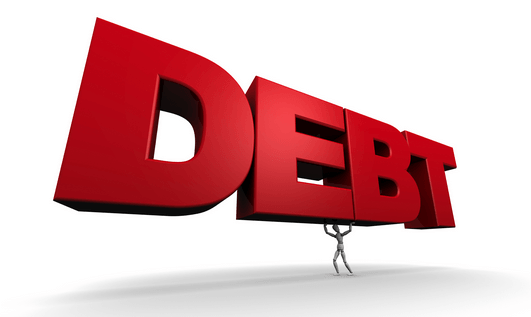
Key Takeaways
- Ghana has regained market access and investor confidence after just three and a half years.
- The country plans to strengthen its Sinking Fund for prudent debt management.
- Ghana will not rush to borrow from international capital markets despite favourable credit ratings.
- Instead, the government aims to mobilize long-term financing in its own currency for sustainable development.
Ghana's remarkable turnaround in its debt management has been hailed as a significant achievement. The country's journey from debt distress to debt sustainability has been marked by prudent borrowing practices and a commitment to financial discipline.
The announcement by the government to strengthen the Sinking Fund is a testament to its resolve to prioritize debt management and ensure that the country's finances are stable and secure.
Background & Context
Ghana's debt crisis began to escalate in 2015, leading to a loss of investor confidence and a subsequent downgrade by credit rating agencies. However, the government's efforts to implement fiscal reforms and implement a debt restructuring program have paid off, resulting in a renewed commitment from investors.
The country's favourable credit ratings, coupled with its commitment to prudent borrowing practices, have enabled Ghana to access the international capital markets. However, the government has chosen not to rush to borrow, instead opting to mobilize long-term financing in its own currency for sustainable development.
Key Findings
The government's decision to strengthen the Sinking Fund is a crucial step towards ensuring debt sustainability and building a robust fiscal framework. The Sinking Fund is designed to manage Ghana's debt obligations and provide a cushion against potential debt distress.
By prioritizing debt management, the government is demonstrating its commitment to fiscal responsibility and responsible borrowing practices. This approach is expected to yield long-term benefits for the country, including reduced debt servicing costs and improved investor confidence.
Broader Implications
Ghana's debt recovery has significant implications for the country's economic development and growth prospects. The government's commitment to prudent borrowing practices and debt management is expected to attract more investors and facilitate access to international capital markets.
The country's progress in debt sustainability is also likely to have a positive impact on the regional economy, as Ghana is a major player in the West African economic bloc. The government's efforts to strengthen the Sinking Fund and prioritize debt management are expected to have a positive spillover effect on the region.
Looking Ahead
The government's decision to strengthen the Sinking Fund and prioritize debt management is expected to yield long-term benefits for Ghana's economy. As the country continues to navigate its debt recovery journey, it is essential to maintain fiscal discipline and responsible borrowing practices.
The government's commitment to debt sustainability is expected to have a positive impact on investor confidence and the country's growth prospects. By prioritizing debt management, Ghana is demonstrating its commitment to responsible governance and fiscal responsibility.




0 Comments
Leave a Comment
No comments yet. Be the first to share your thoughts!