
Key Takeaways
- Ghana's energy sector has recorded significant improvements, including the renegotiation of Independent Power Producer (IPP) agreements that have generated savings of over $240 million.
- The government is focusing on tariff reviews and strengthening the cash waterfall mechanism to improve revenue management and ensure sustainability.
- Improved collections by the Electricity Company of Ghana (ECG) and the Northern Electricity Distribution Company (NEDCo) are contributing to stronger financial discipline within the sector.
Ghana's energy sector is at a critical juncture, with the government implementing reforms aimed at improving financial sustainability, reducing costs, and preventing the accumulation of large outstanding debts owed to Independent Power Producers (IPPs).
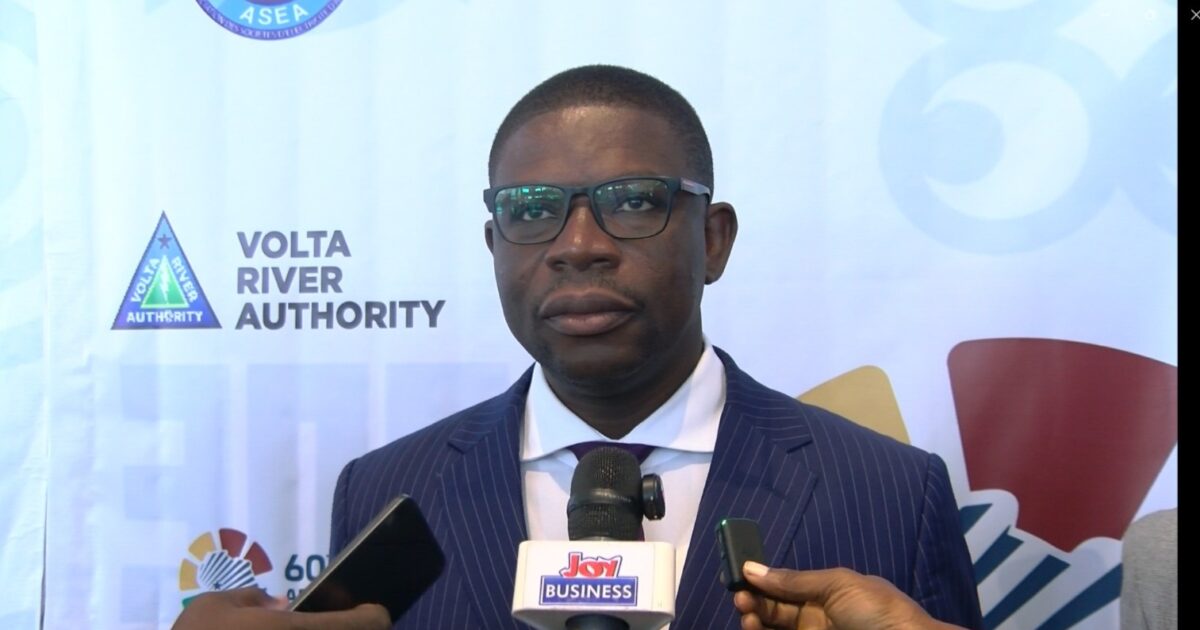
At the 60th Annual Meeting of the African Power Pool (APUA), Deputy Energy Minister Richard Gyan-Mensah highlighted the sector's progress, saying that despite inheriting challenges, including high IPP debts and system inefficiencies, significant improvements have been recorded.
Background & Context
The energy sector is a critical component of Ghana's economy, with electricity playing a vital role in supporting industrial activities, the mining sector, and small and medium-sized enterprises. A stable power supply is essential for the country's economic development, and the government's reforms aim to ensure reliable and affordable electricity for all.
The sector's challenges, including high IPP debts and system inefficiencies, have hindered its growth and contributed to financial instability. The government's reforms aim to address these challenges, improve financial discipline, and ensure sustainability.
Key Findings
The government's renegotiation of IPP agreements has generated savings of over $240 million, and additional measures are being pursued to reduce costs across the sector. Improved collections by ECG and NEDCo are contributing to stronger financial discipline within the sector.
Deputy Energy Minister Gyan-Mensah emphasized the importance of tariff reviews and strengthening the cash waterfall mechanism to improve revenue management and ensure sustainability. He also noted that some IPPs are being paid almost 80 to 90% of their debts, and the government is working towards a time where 100% monthly IPP payments can be achieved.
Broader Implications
The energy sector's financial sustainability is critical for Ghana's broader economic transformation agenda. A stable power supply is essential for the growth of small and medium-sized enterprises, the mining sector, and industrial activities.
The government's reforms aim to ensure reliable and affordable electricity for all, which will contribute to the country's economic development and improve the standard of living for Ghanaians.
Looking Ahead
The government's reforms aim to ensure that the energy sector is financially sustainable, reliable, and affordable. Improved collections by ECG and NEDCo, along with tariff reviews and strengthened cash waterfall mechanisms, will contribute to stronger financial discipline within the sector.
The sector's progress will be closely monitored, and the government will continue to work towards achieving its goals of reducing costs, preventing the accumulation of large outstanding debts, and ensuring reliable and affordable electricity for all.



0 Comments
Leave a Comment
No comments yet. Be the first to share your thoughts!