
Key Takeaways
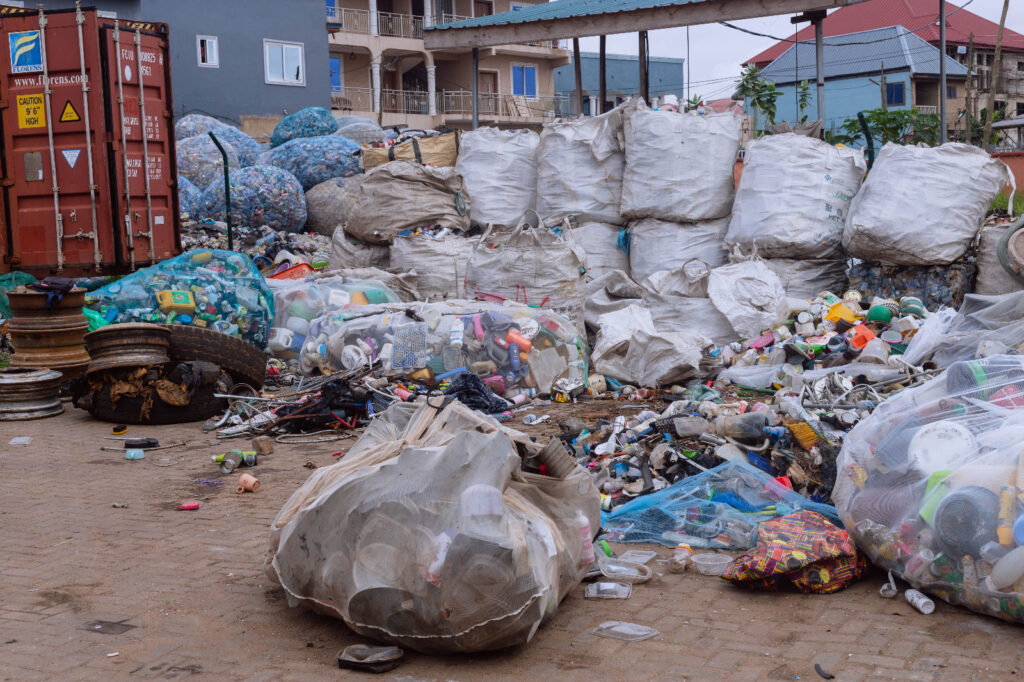
- Ghana's recent floods highlighted the country's inability to manage plastic waste.
- Sustained public education and investment in recycling infrastructure are crucial in reducing plastic pollution.
- A nationwide recycling culture can help create green jobs, strengthen local manufacturing, and minimize flooding.
- Collaboration between government, industry, and citizens is essential in addressing Ghana's plastic pollution crisis.
Ghana's recent flooding has brought to the fore the need for effective waste management strategies, particularly in addressing the issue of plastic pollution. According to Mr. James Deku, Corporate Affairs Officer of Zoomlion Ghana Limited, the floods exposed the country's inability to manage the large quantities of plastic waste generated daily.
The issue of plastic pollution is not new to Ghana, but the recent floods have underscored its severity. Plastic waste has become a major contributor to flooding, as it blocks drains and waterways, exacerbating the already dire situation. In light of this, experts are calling for a multifaceted approach to addressing plastic pollution, including sustained public education and investment in recycling infrastructure.
Background & Context
Ghana's plastic pollution crisis is a complex issue that requires a comprehensive solution. The country's plastic waste management system is largely inadequate, with most plastic waste ending up in landfills or the environment. This has severe consequences, including the pollution of waterways, harm to wildlife, and the degradation of soil quality.
The root cause of plastic pollution in Ghana lies in the country's consumer culture, which emphasizes single-use plastics and disposable products. This has created a culture of waste, with many Ghanaians contributing to the problem through their daily consumption habits. To address this, experts recommend a shift towards a circular economy, where plastic waste is seen as a resource rather than a problem.
Key Findings
Research has shown that a nationwide recycling culture can have significant benefits for Ghana, including the creation of green jobs, strengthening of local manufacturing, and minimization of flooding. By investing in recycling infrastructure, the country can reduce plastic pollution, decrease the amount of waste sent to landfills, and create new economic opportunities.
However, implementing a nationwide recycling culture will require a coordinated effort from government, industry, and citizens. This includes investing in recycling infrastructure, educating the public on the importance of waste segregation, and promoting the use of recycled products. By working together, Ghana can achieve its goal of reducing plastic pollution and creating a more sustainable future.
Broader Implications
The implications of Ghana's plastic pollution crisis extend beyond the country's borders. The issue of plastic pollution is a global problem, with far-reaching consequences for the environment, human health, and the economy. By addressing plastic pollution in Ghana, the country can also contribute to the global effort to reduce plastic waste and promote sustainable development.
Furthermore, Ghana's experience in addressing plastic pollution can serve as a model for other countries in the region. By sharing best practices and lessons learned, Ghana can help other countries develop effective waste management strategies and reduce plastic pollution.
Looking Ahead
In conclusion, Ghana's plastic pollution crisis requires a multifaceted approach that involves government, industry, and citizens. By investing in recycling infrastructure, educating the public on waste segregation, and promoting the use of recycled products, the country can reduce plastic pollution, create green jobs, and strengthen local manufacturing. By working together, Ghana can achieve its goal of creating a more sustainable future and contributing to the global effort to reduce plastic waste.


0 Comments
Leave a Comment
No comments yet. Be the first to share your thoughts!