
Key Takeaways
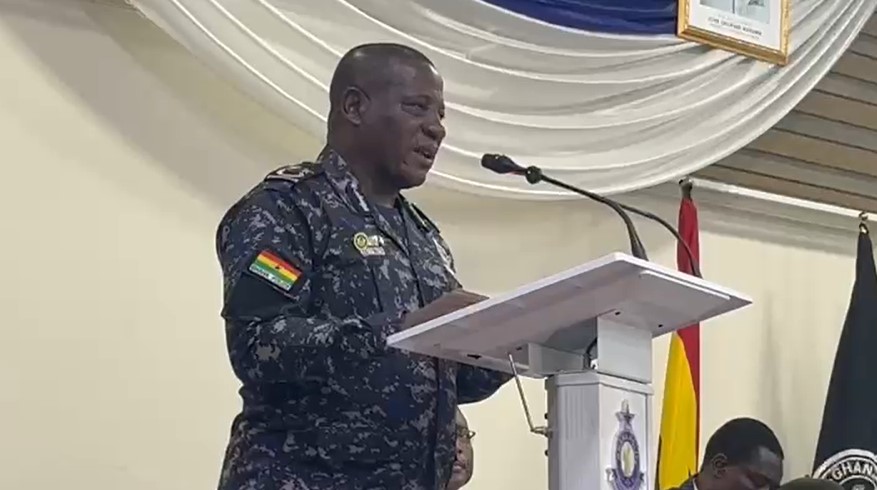
- The Inspector-General of Police (IGP), Christian Tetteh Yohuno, has called on religious leaders to promote peace and national cohesion.
- Law enforcement alone cannot guarantee lasting peace if citizens fail to practice tolerance, dialogue, and peaceful coexistence.
- The IGP has appealed to Christian and Muslim leaders to address growing tensions and concerns surrounding religious comments.
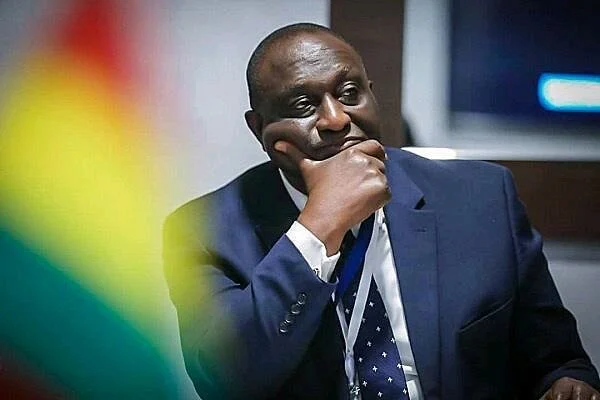
The Inspector-General of Police (IGP), Christian Tetteh Yohuno, has emphasized the importance of interfaith dialogue and tolerance in promoting peace and stability in Ghana. Speaking at an engagement with key religious and peace stakeholders, the IGP noted that law enforcement alone cannot guarantee lasting peace if citizens fail to practice tolerance, dialogue, and peaceful coexistence.
The IGP's appeal comes against the backdrop of a recent incident in which a pastor was allegedly slapped, leading to tensions and concerns surrounding religious comments. In response, the IGP has called on Christian and Muslim leaders to work together to address these issues and promote peace, unity, and stability in Ghana.
Background & Context
The issue of interfaith dialogue and tolerance is not new in Ghana, and the country has a long history of promoting peace and stability through religious cooperation. However, recent incidents have highlighted the need for continued efforts to promote mutual respect, tolerance, and harmony among people of different faiths.
African countries have suffered devastating conflicts fueled by religious tensions and divisions, and Ghana must take proactive steps to prevent similar conflicts from occurring in the country. The IGP's appeal is a recognition of the importance of interfaith dialogue and tolerance in promoting peace and stability in Ghana.
Key Findings
The IGP's engagement with religious leaders brought together key stakeholders, including the President of the Ghana Catholic Bishops' Conference, Chairman of the Pentecostals and Charismatic Council, National Chief Imam, President of the Christian Council of Ghana, Chairman of the National Peace Council, and Head of the Ahmadiyya Muslim Mission.
The IGP stressed that several African countries have suffered devastating conflicts fueled by religious tensions and divisions, and Ghana must take proactive steps to prevent similar conflicts from occurring in the country.
Broader Implications
The IGP's appeal has broader implications for Ghana's social and economic development. By promoting peace and stability, the country can attract foreign investment, improve economic growth, and enhance its global reputation.
The IGP's appeal also highlights the importance of intergenerational dialogue and cooperation in promoting peace and stability. By engaging with young people and promoting interfaith dialogue and tolerance, Ghana can build a more inclusive and cohesive society.
Looking Ahead
The IGP's appeal is a significant step towards promoting peace and stability in Ghana. By working together with religious leaders and other stakeholders, the country can build a more inclusive and cohesive society that promotes mutual respect, tolerance, and harmony among people of different faiths.
The IGP's appeal also highlights the importance of continued efforts to promote interfaith dialogue and tolerance in Ghana. By engaging with young people and promoting intergenerational dialogue and cooperation, the country can build a more stable and prosperous future.


0 Comments
Leave a Comment
No comments yet. Be the first to share your thoughts!