
Key Takeaways
- Jason Arday, a British-born son of Ghanaian parents, has died at 41, sparking tributes from Cambridge and renewed discussion about his career.
- Arday was the youngest Black professor in University of Cambridge history and had faced intense scrutiny over allegations of plagiarism in his academic work.
- His memoir, Great and Unfortunate Things, was released just days before his death, recounting aspects of his upbringing, education, and rise through academia.
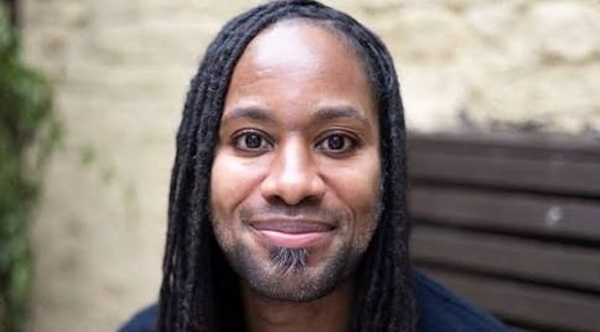
The academic community and beyond are mourning the loss of Jason Arday, a British-born Ghanaian who became the youngest Black professor in the history of the University of Cambridge. Arday's death, at the age of 41, has sparked a renewed focus on his career, which was marked by controversy and intense scrutiny.
Arday's life and academic career were characterized by his unconventional path, which included being diagnosed with autism and global developmental delay at a young age, and not learning to read and write until he was 18. Despite these challenges, he went on to earn a PhD in Education from Liverpool John Moores University and later became a professor at Cambridge, where he focused on research related to race, inequality, education, mental health, and neurodiversity.
Background & Context
Arday's academic career was marked by a commitment to increasing access to higher education for disadvantaged groups, and he was an advocate for greater representation of Black and minority ethnic people in academia. However, in the weeks leading up to his death, he faced allegations of plagiarism in some of his academic work, which led to an investigation by the University of Cambridge.
The investigation centered on passages in Arday's 2015 doctoral thesis and other publications, with Arday denying deliberate plagiarism but acknowledging "scholarly mistakes" in the past. The controversy surrounding Arday's academic qualifications and honorary appointments ultimately led to his resignation from Cambridge, which was announced just days before his death.
Key Findings
Arday's death has raised questions about the impact of intense scrutiny on individuals, particularly those who have faced challenges and obstacles throughout their lives. His story serves as a reminder of the importance of supporting marginalized communities and promoting greater access to education and opportunities.
The investigation into Arday's academic work and the subsequent resignation have also highlighted the need for greater accountability and transparency in academia, particularly when it comes to issues of plagiarism and academic misconduct.
Broader Implications
Arday's legacy extends beyond his academic contributions, as he was a vocal advocate for greater representation and inclusion in higher education. His story has sparked a renewed focus on the challenges faced by marginalized communities and the importance of promoting diversity and equity in academia.
The controversy surrounding Arday's academic work has also raised questions about the role of social media and the media in shaping public discourse and scrutiny. The intense focus on Arday's personal life and academic career highlights the need for a more nuanced and informed approach to reporting and criticism.
Looking Ahead
As the academic community and beyond grapple with the implications of Arday's death, there is a need for greater reflection and discussion about the challenges faced by marginalized communities and the importance of promoting diversity and equity in higher education.
The investigation into Arday's academic work and the subsequent resignation also serve as a reminder of the importance of accountability and transparency in academia, particularly when it comes to issues of plagiarism and academic misconduct.





0 Comments
Leave a Comment
No comments yet. Be the first to share your thoughts!