

Key Takeaways
- Judicial Secretary Musah Ahmed states Chief Justice Paul Baffoe‑Bonnie’s recent comments were made in good faith.
- The remarks are not intended to undermine judicial independence.
- The clarification follows public criticism after the Chief Justice referenced SSNIT and other state entities.
- The statement aims to defuse speculation about executive‑judicial interference.
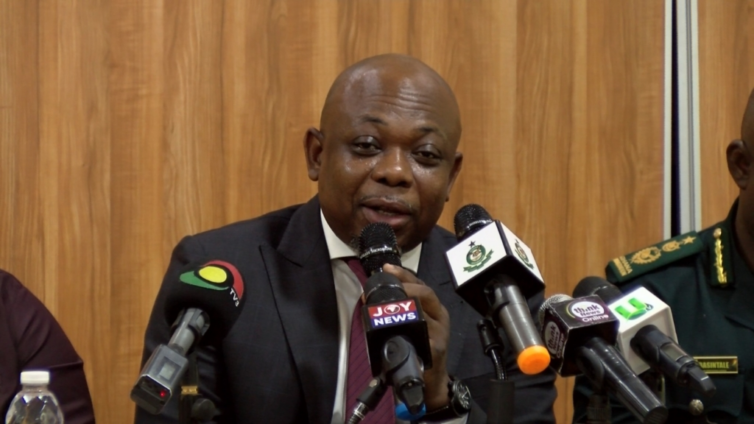
The Judicial Secretary of Ghana, Musah Ahmed, issued a formal statement on Friday evening to address the wave of public reaction to comments made by Chief Justice Paul Baffoe‑Bonnie. The Chief Justice had recently spoken about the conduct of several state bodies, including the Social Security and National Insurance Trust (SSNIT), prompting debate over the separation of powers.
Ahmed’s response underscores that the observations were expressed “in good faith” and were not designed to compromise the autonomy of the judiciary. The clarification arrives amid heightened scrutiny of Ghana’s institutional checks and balances.
Background and Institutional Context
Ghana’s 1992 Constitution enshrines judicial independence as a cornerstone of democratic governance. The judiciary is tasked with interpreting law without undue influence from the executive or legislative branches. Historically, tensions have surfaced when senior judges comment on policy matters, raising concerns about perceived overreach.
Recent years have seen the judiciary navigate high‑profile cases involving fiscal policy, public procurement, and the management of state‑owned enterprises. These dynamics have amplified public interest in how judicial leaders articulate their perspectives on governmental actions.
Chief Justice’s Recent Remarks
In a public address earlier this week, Chief Justice Baffoe‑Bonnie referenced concerns about the operational transparency of SSNIT and other agencies. While the exact wording was not fully disclosed, media reports suggested the remarks hinted at possible mismanagement and called for greater accountability.
Such commentary, though rooted in the Chief Justice’s constitutional duty to uphold the rule of law, was interpreted by some observers as a foray into policy critique, sparking debate over the appropriate boundaries of judicial discourse.
Reactions and Legal Implications
Political analysts, civil‑society groups, and legal professionals voiced divergent views. Critics warned that the Chief Justice’s statements could be construed as pressure on executive agencies, while supporters argued that judicial oversight of public institutions is essential for good governance.
Ahmed’s statement seeks to reaffirm the separation of powers by emphasizing the intent behind the remarks. By characterizing them as “good faith,” the Judicial Secretariat aims to preempt accusations of partisan interference and preserve public confidence in the courts.
Looking Ahead
The clarification sets a precedent for how the judiciary will navigate future interactions with state entities. Ongoing monitoring by parliamentary oversight committees and civil‑society watchdogs will likely shape the discourse surrounding judicial commentary on public administration.
Stakeholders anticipate that the judiciary will continue to balance its constitutional mandate with the need to maintain an apolitical stance, ensuring that future remarks are framed within the limits of judicial propriety.




0 Comments
Leave a Comment
No comments yet. Be the first to share your thoughts!