
Key Takeaways
- President John Dramani Mahama has announced plans to hold a national referendum on proposed constitutional amendments alongside the 2027 District Assembly elections.
- Voters will have the opportunity to elect Assembly Members and decide on proposed changes to the entrenched provisions of the 1992 Constitution.
- A Constitutional Review Implementation Committee will be established to consider the government's position paper and reports of the Constitutional Review Commission.
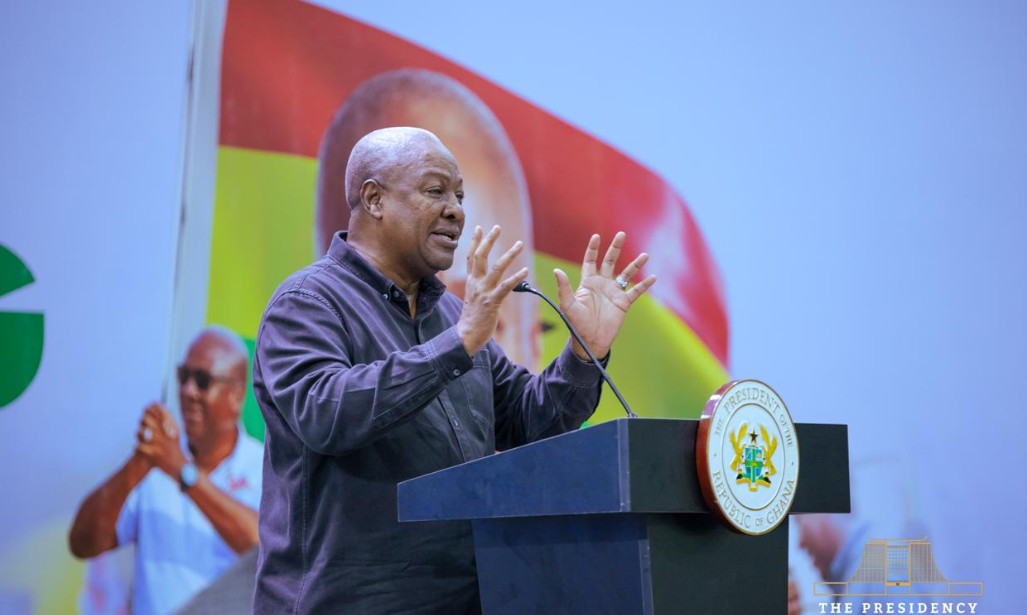
President John Dramani Mahama has made significant strides in his efforts to revamp the country's governance system. As part of his Resetting Ghana Tour, he announced plans to hold a national referendum on proposed constitutional amendments alongside the 2027 District Assembly elections. This move is expected to bring about much-needed reforms to the 1992 Constitution, which has been in place for nearly three decades.
The proposed constitutional amendments aim to bring about significant changes to the entrenched provisions of the Constitution, which have been a subject of controversy in recent years. By holding a national referendum, the government intends to ensure that the changes are widely accepted and reflect the will of the people. This marks a significant departure from the traditional method of amending the Constitution, which has often been criticized for being opaque and inaccessible to the general public.
Background & Context
The 1992 Constitution has been a cornerstone of Ghana's governance system, providing a framework for the country's politics, economy, and social institutions. However, over the years, the Constitution has been criticized for being outdated and in dire need of reform. The proposed constitutional amendments aim to address these issues and bring the Constitution in line with modern democratic standards.
The Constitutional Review Commission, established in 2020, has been tasked with reviewing the Constitution and making recommendations for reform. The commission's report has identified several areas of the Constitution that require amendment, including the entrenched provisions that have been the subject of controversy in recent years.
The proposed constitutional amendments are expected to have far-reaching implications for the country's governance system. By amending the entrenched provisions, the government aims to increase transparency and accountability in governance, as well as reduce the concentration of power in the hands of the executive.
Key Findings
The proposed constitutional amendments aim to introduce several key changes to the 1992 Constitution. These include the introduction of a new system of government, which will provide for greater checks and balances on the executive. The amendments also aim to increase the powers of the legislature and the judiciary, as well as introduce new mechanisms for protecting human rights and promoting social justice.
The government has established a Constitutional Review Implementation Committee to consider the government's position paper and reports of the Constitutional Review Commission. The committee will be tasked with synthesizing the two documents and categorizing the proposed amendments into entrenched and non-entrenched provisions.
The proposed constitutional amendments are expected to face significant opposition from various stakeholders, including the opposition parties and civil society organizations. However, the government is confident that the amendments will be widely accepted and will bring about significant reforms to the country's governance system.
Looking Ahead
The national referendum on proposed constitutional amendments is expected to take place alongside the 2027 District Assembly elections. The government has announced plans to establish a Constitutional Review Implementation Committee to consider the government's position paper and reports of the Constitutional Review Commission.
The proposed constitutional amendments are expected to have far-reaching implications for the country's governance system. By amending the entrenched provisions, the government aims to increase transparency and accountability in governance, as well as reduce the concentration of power in the hands of the executive.





0 Comments
Leave a Comment
No comments yet. Be the first to share your thoughts!