
Key Takeaways
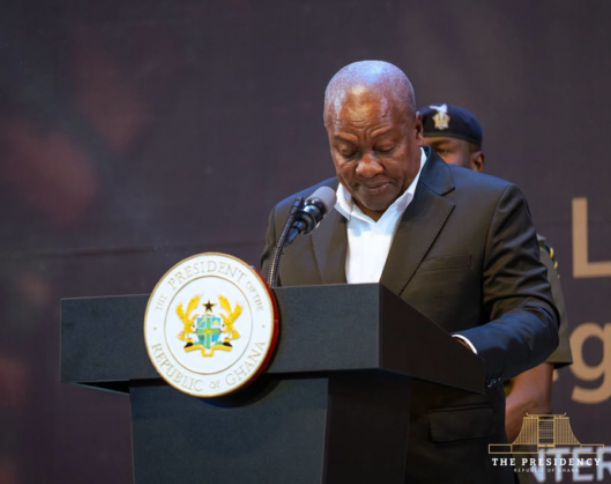
- President John Dramani Mahama calls for strict discipline, accountability and professionalism among ministers, chief executives and other appointees.
- Recent ministerial reshuffles and dissolution of several boards are framed as measures to improve coordination and leadership.
- The presidency announces continuous performance reviews and signals willingness to act against any conduct that threatens cohesion.
- Public office is reiterated as a privilege that demands service to the Ghanaian people.
President John Dramani Mahama issued a formal warning to ministers, deputy ministers, chief executives and board members, emphasizing the need for integrity, diligence and humility in the execution of public duties. The directive follows a series of high‑profile changes in his administration, including the removal of ministers and the dissolution of boards that oversee key state institutions.
The statement, released by Executive Secretary Callistus Mahama, positions these changes as part of a broader strategy to strengthen leadership, enhance inter‑agency coordination and keep appointees aligned with the government’s policy agenda.
Context of Recent Administrative Changes
Over the past months, the Mahama administration has undertaken a wave of restructurings aimed at addressing perceived inefficiencies within the public sector. Similar reshuffles have occurred in previous Ghanaian governments, often justified by the need to inject fresh perspectives and curb bureaucratic inertia. The dissolution of the National Sports Authority board and nine other state institution boards underscores a pattern of decisive interventions.
Analysts note that such moves can serve both practical and political purposes: streamlining decision‑making while signaling to the electorate a commitment to good governance. The timing coincides with mounting public scrutiny over service delivery and fiscal management, creating pressure for visible reforms.
Expectations Set for Appointees
The presidency outlined explicit expectations for all political appointees, stressing adherence to established administrative procedures and the avoidance of actions that could erode institutional authority. The emphasis on humility and service reflects a narrative that public office is a trust rather than a entitlement.
Performance monitoring will be institutionalised across sectors, according to the statement. This approach mirrors performance‑based management models adopted in other Commonwealth nations, where regular assessments are used to identify gaps and enforce corrective measures.
Implications for Governance and Public Trust
If implemented consistently, the outlined standards could enhance the credibility of the executive branch and reinforce public confidence in state institutions. Conversely, critics warn that without transparent mechanisms, disciplinary actions may be perceived as politically motivated, potentially deepening partisan divides.
The readiness to take “any further action necessary” suggests a willingness to employ disciplinary tools ranging from reassignment to dismissal. Such a stance may deter misconduct but also raises questions about due‑process safeguards for officials under review.
Looking Ahead
Future developments will likely hinge on how rigorously performance reviews are conducted and whether the administration balances swift action with procedural fairness. Continued observation of board compositions and ministerial portfolios will provide insight into the durability of the current reform agenda.
Stakeholders across civil society, the private sector and the electorate will monitor the administration’s capacity to translate disciplinary rhetoric into measurable improvements in service delivery and governance outcomes.



0 Comments
Leave a Comment
No comments yet. Be the first to share your thoughts!