
Key Takeaways
- The sorting and counting of ballots in the New Patriotic Party’s (NPP) Greater Accra Regional executive elections have been delayed due to a disagreement over the ballot counting procedure.
- The disagreement centres around which positions should be counted first, with some aspirants pushing for the chairmanship ballots to be sorted and counted first.
- The Greater Accra Regional elections form part of the NPP’s ongoing internal reorganisation as the party seeks to strengthen its structures and prepare for the 2028 general elections.
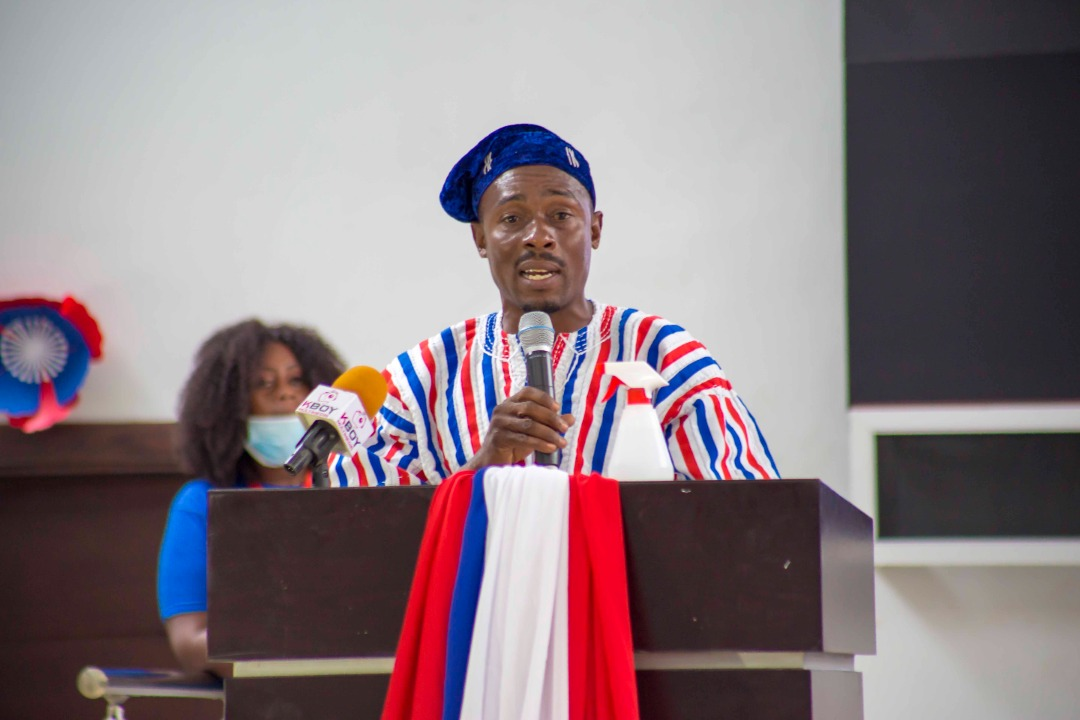
The New Patriotic Party’s (NPP) Greater Accra Regional executive elections have hit a snag following a disagreement over the ballot counting procedure. Incumbent Regional Secretary and re-election aspirant, Odarlai Parker, has accused outgoing Regional Chairman Divine Otoo Agorhom of attempting to influence the process despite no longer contesting the election.
The disagreement centres around which positions should be counted first, with some aspirants pushing for the chairmanship ballots to be sorted and counted first. Mr Parker argued that there was no rule requiring the election committee to begin with other positions before counting the chairmanship ballots.
Background & Context
The Greater Accra Regional elections form part of the NPP’s ongoing internal reorganisation as the party seeks to strengthen its structures and prepare for the 2028 general elections. The party has been working to revamp its regional structures, with the aim of increasing its chances of winning the next general elections.
However, the disagreement over the ballot counting procedure has raised concerns about the credibility of the elections. Mr Parker stressed that the process must be transparent and acceptable to all contestants, and that he would oppose any action that could undermine the credibility of the elections.
Key Findings
The disagreement over the ballot counting procedure has highlighted the need for clear guidelines and rules to govern the elections. The NPP has a history of internal conflicts, and the party has been working to address these issues in order to present a united front in the next general elections.
Mr Parker’s allegations against Mr Agorhom have sparked concerns about the role of outgoing officials in the elections. The NPP has a tradition of allowing outgoing officials to play a role in the transition process, but Mr Parker’s comments have raised questions about the boundaries of this role.
Broader Implications
The disagreement over the ballot counting procedure has broader implications for the NPP and the country as a whole. The party’s internal conflicts have the potential to undermine its chances of winning the next general elections, and the country is watching with interest to see how the party addresses these issues.
The NPP has a long history of internal conflicts, dating back to the 1990s. However, the party has always managed to resolve these conflicts and present a united front in the next general elections. The current disagreement over the ballot counting procedure is a test of the party’s ability to manage its internal conflicts and present a united front.
Looking Ahead
The NPP is expected to continue its internal reorganisation and strengthen its structures ahead of the 2028 general elections. The party has announced plans to hold regional and national elections in the coming months, and the outcome of these elections will be closely watched by the country.
The party’s internal conflicts have the potential to undermine its chances of winning the next general elections, but the NPP has always managed to resolve its internal conflicts and present a united front. The country is watching with interest to see how the party addresses these issues and presents a united front in the next general elections.

0 Comments
Leave a Comment
No comments yet. Be the first to share your thoughts!