
Key Takeaways
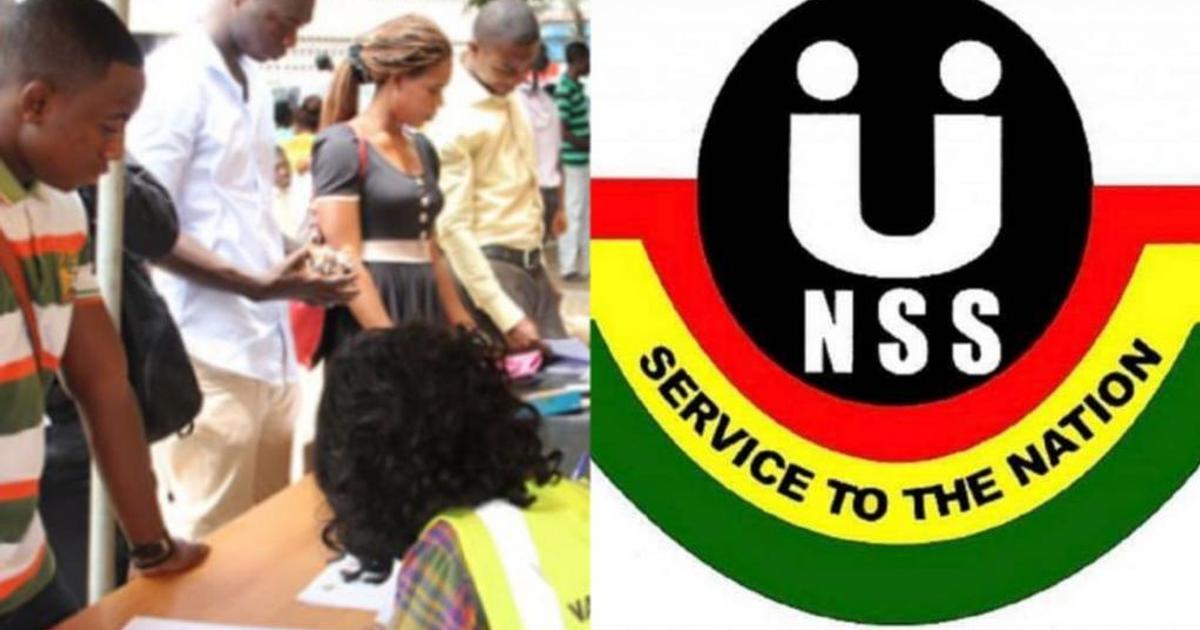
- The National Service Authority (NSA) has rejected 21,311 applications for the 2026/2027 national service year.
- Mandatory validation and verification checks were conducted to identify ineligible applicants.
- Around 21,000 prospective national service personnel have been affected by the large-scale rejection.
- National service remains a mandatory requirement for eligible graduates of tertiary institutions in Ghana.
The National Service Authority (NSA) has taken a decisive step towards streamlining the national service programme in Ghana by rejecting a substantial number of applications ahead of the 2026/2027 service year. According to a recent report, a total of 21,311 applications were rejected following mandatory validation and verification checks.
This significant development has major implications for prospective national service personnel, with approximately 21,000 individuals affected by the large-scale rejection. National service is a crucial requirement for eligible graduates of tertiary institutions in Ghana, and completion of the programme is often necessary for securing certain employment and professional opportunities.
Background & Context
The national service programme in Ghana is designed to foster the development of skills and values necessary for effective participation in national development. The programme is mandatory for eligible graduates of tertiary institutions, with the majority of participants serving in various sectors such as education, health, and agriculture.
However, the programme has faced numerous challenges over the years, including irregularities in the recruitment process and inadequate infrastructure. The recent rejection of applications by the NSA indicates a renewed commitment to ensuring the integrity and effectiveness of the national service programme.
Key Findings
The large-scale rejection of applications highlights several key issues within the national service programme. Firstly, it suggests a lack of preparedness among prospective applicants, with many failing to meet the necessary requirements for the programme.
Secondly, the rejection indicates a need for improved infrastructure and support systems to facilitate a smooth recruitment process. Finally, the development underscores the importance of effective validation and verification checks to prevent irregularities and ensure the integrity of the programme.
Broader Implications
The rejection of applications by the NSA has significant implications for the broader national service programme. Firstly, it may lead to a shortage of personnel in critical sectors such as education and health, compromising the delivery of essential services.
Secondly, the development may create uncertainty and anxiety among prospective applicants, potentially discouraging them from pursuing national service opportunities in the future. Finally, it highlights the need for improved communication and coordination between the NSA and other stakeholders to ensure a seamless recruitment process.
Looking Ahead
The recent rejection of applications by the NSA serves as a wake-up call for the national service programme. As the country moves forward, it is essential to address the underlying issues highlighted by this development and implement measures to prevent similar incidents in the future.
The NSA must prioritize improving infrastructure and support systems to facilitate a smooth recruitment process. Additionally, the authority should enhance communication and coordination with stakeholders to ensure a seamless experience for prospective applicants.





0 Comments
Leave a Comment
No comments yet. Be the first to share your thoughts!