
Key Takeaways
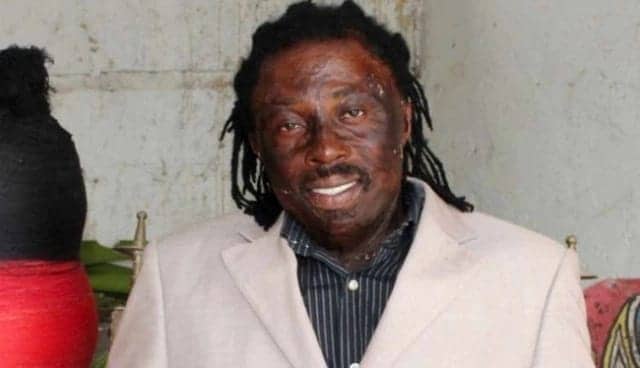
- Priest Nana Kwaku Bonsam publicly blames Sports Minister Kofi Iddie Adams for Ghana’s elimination at the 2026 World Cup.
- Bonsam claims his spiritual advice – notably the selection of goalkeeper Benjamin Asare – was ignored.
- The priest alleges he thwarted England captain Harry Kane through spiritual means during a goalless draw.
- Ghana’s next fixtures are slated for the 2027 AFCON qualifiers under new coach Carlos Queiroz.
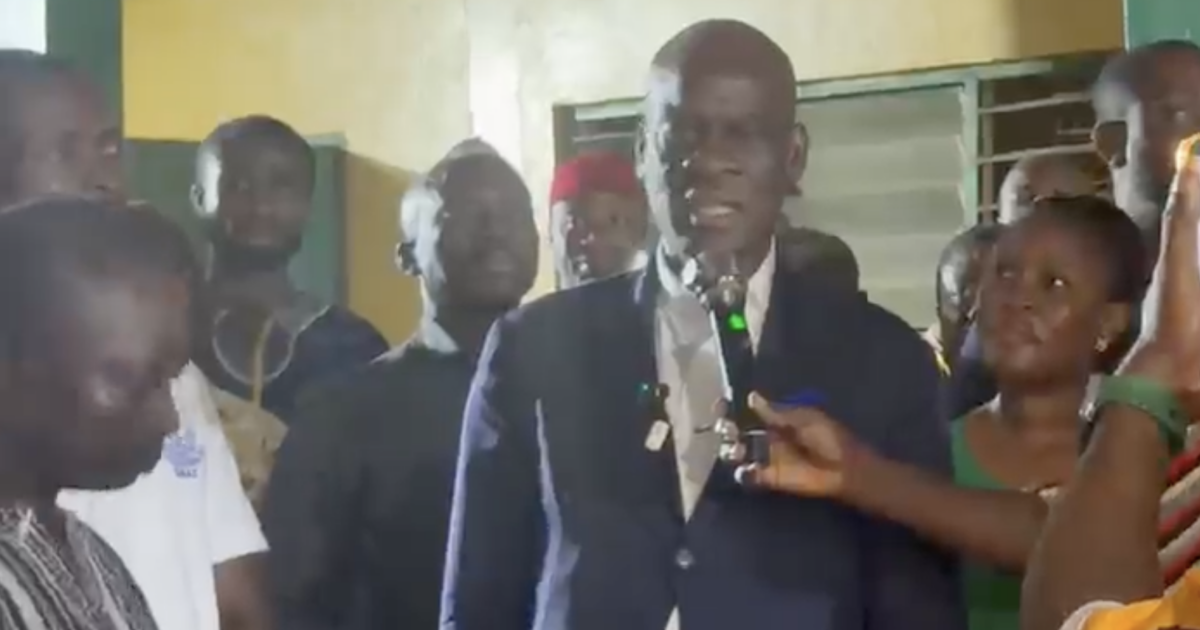
Ghana’s campaign at the 2026 FIFA World Cup ended in the Round of 32 after a 1‑0 loss to Colombia. In the aftermath, traditional priest Nana Kwaku Bonsam used a national radio platform to hold Sports and Recreation Minister Kofi Iddie Adams personally responsible for the team’s early exit.
Bonsam’s statements intertwine spiritual belief, football strategy, and political criticism, raising questions about the role of indigenous authority figures in contemporary Ghanaian public life.
Background & Context
The Black Stars entered the tournament with a mixed record: a 1‑0 victory over Panama, a goalless draw with England, and a 2‑1 defeat to Croatia that nonetheless secured progression to the knockout stage. The subsequent 1‑0 defeat to Colombia concluded their participation. Throughout the competition, Ghana’s coaching staff and the Ministry of Sports faced scrutiny over squad selections and tactical decisions.
Traditional priests, known locally as “okomfo,” have historically been consulted on matters ranging from agriculture to national crises. Bonsam, a high‑profile figure, claimed to have advised that Hearts of Oak goalkeeper Benjamin Asare start every match, warning that deviation would jeopardize the team’s fortunes.
Cultural Influence on Sports Governance
The priest’s assertion that spiritual intervention stopped England captain Harry Kane reflects a broader belief in metaphysical protection. While such claims lack empirical verification, they resonate with segments of the Ghanaian populace that value customary practices alongside modern institutions.
By demanding recognition for traditional priests, Bonsam challenges the predominance of Christian clergy in public discourse, especially after the minister’s appearance at a church to express confidence in the squad. The tension underscores a contest over moral authority in a nation where both faith traditions coexist.
Political and Administrative Implications
Calling for the dismissal of a cabinet minister is a serious political move. If the Ministry of Sports were to act on Bonsam’s demand, it would set a precedent for non‑elected spiritual leaders influencing executive appointments, potentially reshaping accountability mechanisms within Ghana’s democratic framework.
Nevertheless, the episode may prompt the Ministry to reassess stakeholder engagement, ensuring that community leaders—religious or traditional—are consulted in a transparent manner without compromising evidence‑based decision‑making.
Looking Ahead
Ghana’s next international window begins with a 2027 Africa Cup of Nations qualifying campaign under newly appointed coach Carlos Queiroz. The squad’s performance will be closely watched as a barometer for the nation’s footballing trajectory and as a test of whether spiritual counsel will reappear in strategic discussions.
Regardless of the outcome, the episode illustrates how sports, spirituality, and politics intersect in Ghana, offering a case study for scholars of African governance and cultural studies.
0 Comments
Leave a Comment
No comments yet. Be the first to share your thoughts!