
Key Takeaways
- Committee urges government and private investors to partner with major sanitation providers.
- Nationwide assessment highlights gaps and progress in waste handling across regions.
- Recycling and sustainable practices emphasized as essential to curb rising waste volumes.
- Positive developments reported in Oti and Volta regions, with further monitoring planned.
The Select Committee on Sanitation and Water Resources has signaled a decisive shift toward collaborative waste management in Ghana. Chairman John Oti Bless stressed that coordinated action among public authorities, investors, and established service firms is vital to elevate collection, disposal, and recycling standards.
His remarks coincide with a comprehensive field review that spans multiple regions, aiming to map existing infrastructure, identify systemic shortcomings, and chart a pathway for a cleaner national environment.
Background & Context
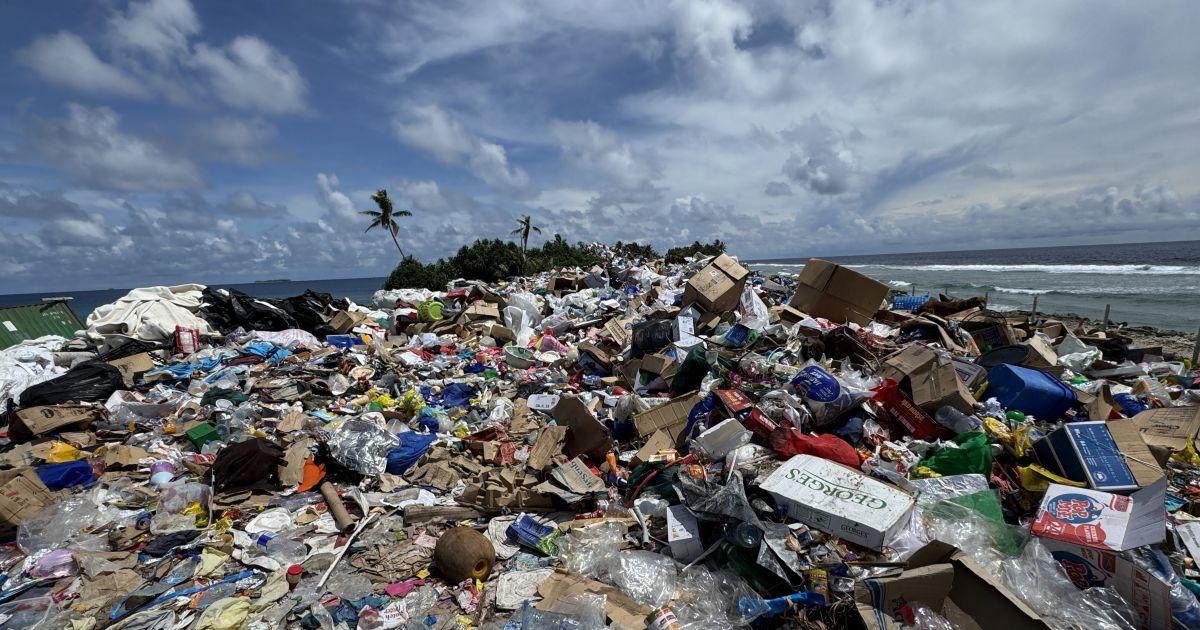
Ghana’s urban expansion over the past two decades has outpaced the capacity of traditional waste collection systems, leading to visible litter, illegal dumping, and mounting pressure on landfills. Historical reliance on informal scavengers and sporadic municipal sweeps has left a fragmented service landscape, prompting calls for a more structured approach.
Policy frameworks such as the 2016 Waste Management Act introduced licensing and extended producer responsibility, yet implementation gaps persist. The current parliamentary inquiry seeks to bridge these gaps by aligning legislative oversight with market-driven solutions.
Assessment Findings and Regional Progress
Field inspections in the Oti and Volta regions revealed newly erected containment fences and preparatory works that signal an emerging infrastructure backbone. Committee members expressed satisfaction with the operational readiness observed, noting that these sites could serve as pilots for broader rollout.
Despite localized advances, the assessment uncovered uneven service quality, limited recycling facilities, and inadequate public awareness campaigns. These deficiencies underscore the need for a harmonized strategy that leverages both state resources and private sector expertise.
Strategic Recommendations and Policy Implications
The committee recommends that government agencies allocate fiscal incentives to encourage private investment in waste-to-energy and material recovery plants. Such incentives could include tax reliefs, streamlined permitting, and public‑private partnership models that distribute risk while ensuring service continuity.
Expert analysts argue that integrating informal waste collectors into formal networks can amplify coverage and generate livelihoods, provided that training and safety standards are enforced. Moreover, embedding recycling mandates within municipal contracts would compel service providers to prioritize material segregation at source.
Looking Ahead
Continued monitoring across additional regions is slated for the coming months, with findings expected to inform a comprehensive parliamentary report. The report will likely shape legislative amendments, budget allocations, and regulatory guidelines aimed at achieving a sustainable sanitation ecosystem.
Stakeholders anticipate that a coordinated effort, anchored in transparent governance and market incentives, will accelerate Ghana’s transition toward a circular waste economy and reinforce public confidence in environmental stewardship.


0 Comments
Leave a Comment
No comments yet. Be the first to share your thoughts!