
Key Takeaways
- The World Health Organization (WHO) has warned that Africa risks losing decades of progress in tackling major health challenges.
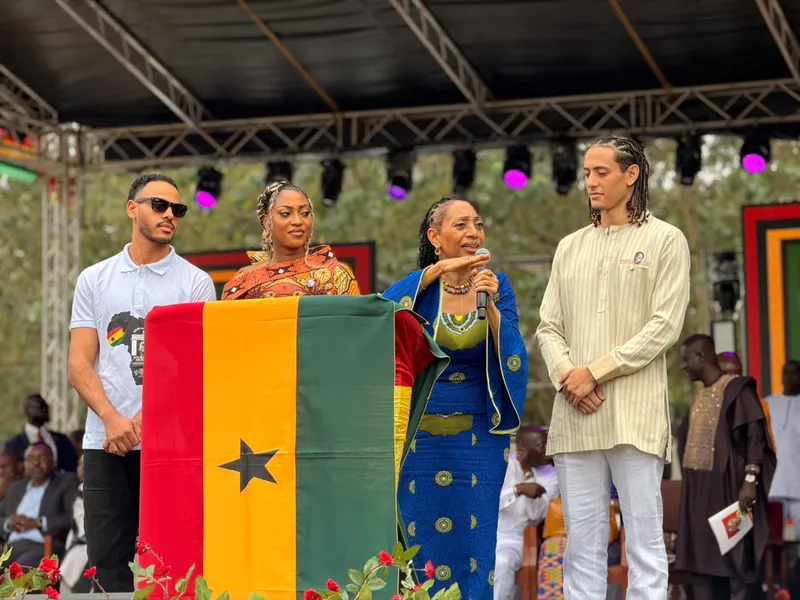
- The warning comes as the African Union's first Extraordinary Summit on health held in Accra emphasizes the need for domestic financing to strengthen health systems.
- Declining external support threatens to reverse gains made in the fight against diseases such as HIV, tuberculosis, and malaria.
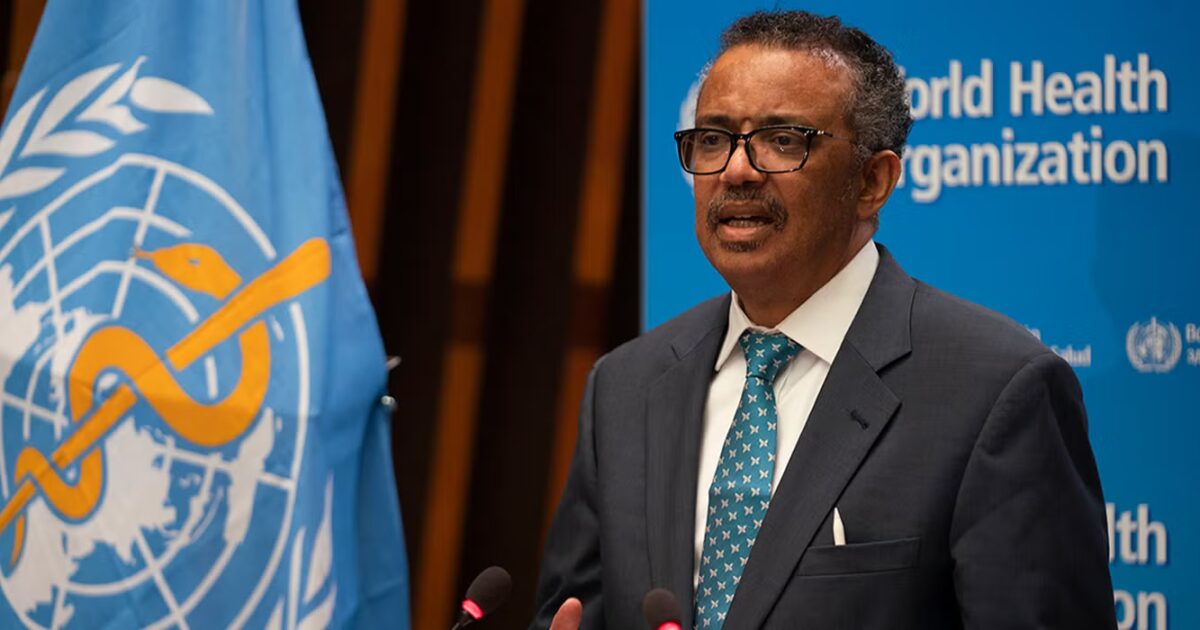
The World Health Organization (WHO) has cautioned African governments to prioritize domestic financing to strengthen health systems, lest the continent loses decades of progress in tackling major health challenges. The warning comes as the African Union's first Extraordinary Summit on health was held in Accra, bringing together leaders to address the pressing issue of health financing.
The WHO Director-General, Dr. Tedros Adhanom Ghebreyesus, emphasized that while Africa has made significant gains in the fight against diseases such as HIV, tuberculosis, and malaria, declining external support threatens to reverse those achievements. He noted that the challenge extends beyond HIV, affecting maternal health, tuberculosis, malaria, neglected tropical diseases, and the growing burden of non-communicable diseases.
Background & Context
The WHO's warning is not without historical context. Africa has made significant strides in recent years in improving healthcare outcomes, with a notable reduction in new HIV infections by 40% since 2010. However, the continent still bears the heaviest burden of disease, and the decline in external support threatens to undermine these gains.
The WHO's Director-General emphasized the need for African governments to prioritize domestic resources for healthcare, invest in primary healthcare systems, promote local manufacturing of medical products, and use scientific innovations to improve health outcomes.
Key Findings
Dr. Tedros highlighted the impact of conflicts on public health, citing the Ebola outbreak in Bunia, Ituri Province, where insecurity has slowed contact tracing efforts and limited health workers' access to affected communities.
The WHO Director-General also stressed that addressing Africa's health challenges requires tackling underlying social and economic factors, including poverty, poor education, unsafe water, and gender inequality.
Broader Implications
The WHO's warning has far-reaching implications for the continent's economic and social development. A strong and resilient healthcare system is essential for promoting economic growth, reducing poverty, and improving overall well-being.
The African Union's Extraordinary Summit on health is expected to produce a roadmap aimed at improving health financing, strengthening healthcare systems, and reducing Africa's dependence on external support.
Looking Ahead
The WHO's Director-General assured African leaders of WHO's continued partnership through technical support and guidance, but urged governments to take ownership of the continent's health future.
The Accra summit is a critical step towards ensuring that Africa's health challenges are addressed through a coordinated and sustainable approach. By prioritizing domestic financing and investing in primary healthcare systems, African governments can ensure that the continent's progress in healthcare is sustained for generations to come.


0 Comments
Leave a Comment
No comments yet. Be the first to share your thoughts!