
Key Takeaways
- The theme of World Youth Day, 'Different Contexts, Common Aspirations,' highlights the disparities in opportunities and resources available to Ghanaian youth.
- The contrast between young people mobilizing for politics and those struggling with delayed salaries and limited opportunities raises uncomfortable questions about the place of youth in Ghana's development.
- The aspiration for dignity, opportunity, economic security, and a meaningful stake in the country is remarkably common among Ghanaian youth, regardless of their context or profession.
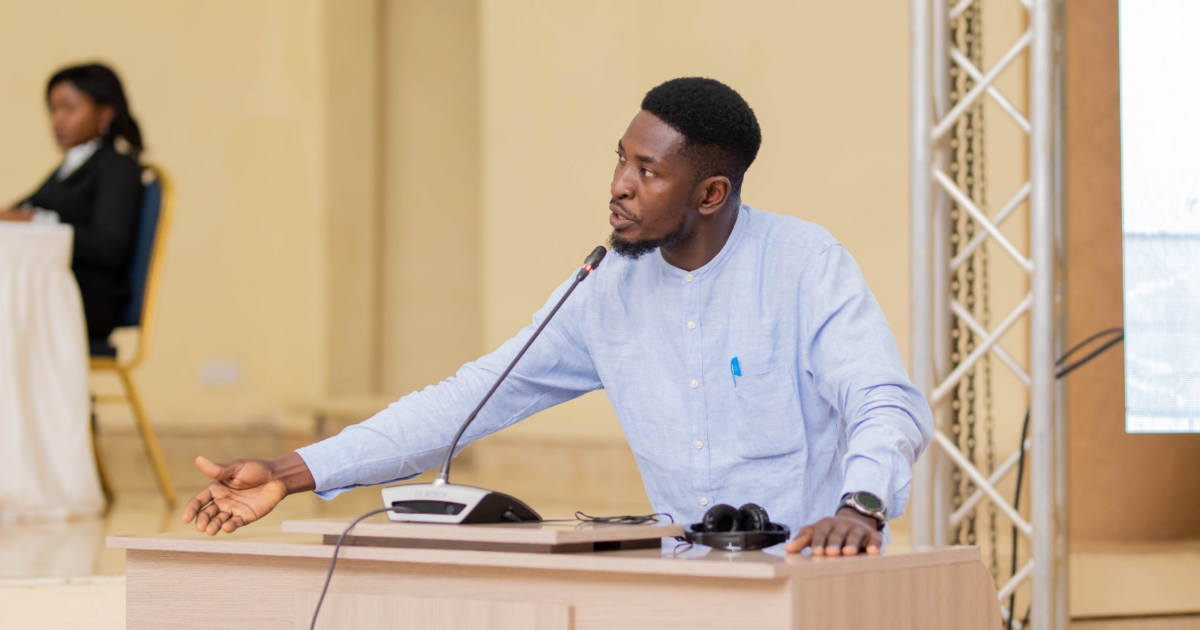
Ghana joined the world in celebrating World Youth Day on August 12, a day set aside to acknowledge the contributions of young people to society and nation-building. This year's theme, 'Different Contexts, Common Aspirations,' struck a chord with many, particularly in Ghana, where the contrast between youthful energy and the challenges faced by young people is stark.
On one hand, young people have been mobilizing their voices and energy around a political cause, advocating for a third term for President John Mahama. On the other, trained nurses and midwives, young professionals who have served in our health facilities, have been left unpaid for months, highlighting the stark realities of the opportunities and resources available to Ghanaian youth.
Background & Context
The celebration of World Youth Day serves as a reminder of the critical role young people play in nation-building. However, the contrast between their potential and the challenges they face raises uncomfortable questions about the place of youth in Ghana's development. Young people are encouraged to participate in politics, mobilize rallies, and defend political positions, but their influence often seems to end when the votes have been counted.
The case of the unpaid nurses and midwives is particularly poignant. These are not people sitting at home waiting for an opportunity; they have acquired professional training, entered the workforce, and provided essential public service. Yet, they were left waiting for months to receive what was due them. This is a painful example of the disparities in opportunities and resources available to Ghanaian youth.
Key Findings
The theme of World Youth Day resonates strongly with many Ghanaian youth, who aspire to dignity, opportunity, economic security, and a meaningful stake in the country. However, the reality is that many young people struggle to access affordable capital, secure stable employment, or receive salaries on time. This is a troubling contradiction, particularly when compared to the enthusiasm and energy displayed by young people in politics.
The celebration of World Youth Day must go beyond speeches, slogans, and annual celebrations. It must become the basis of policy and governance, ensuring that Ghanaian youth have a meaningful role in shaping their future. Otherwise, we may continue celebrating Ghanaian youth while failing to build a Ghana that works for them.
Broader Implications
The implications of this are far-reaching. A country that fails to empower its youth risks losing its most valuable resource. Ghanaian youth may be contributing far more to national development than the systems around us are prepared to acknowledge. It is time for us to recognize the value of their contributions and work towards creating a nation that works for them.
Looking Ahead
As we move forward, it is essential that we ask ourselves a more difficult question than simply whether young people are participating in nation-building. Are we actually building a nation in which young people can thrive? Because a country cannot meaningfully celebrate its youth while trained professionals remain unpaid for months. It cannot claim to be empowering young people if their greatest political value is reduced to the votes they command, the crowds they can mobilise or the political causes they can defend.


0 Comments
Leave a Comment
No comments yet. Be the first to share your thoughts!