
Key Takeaways
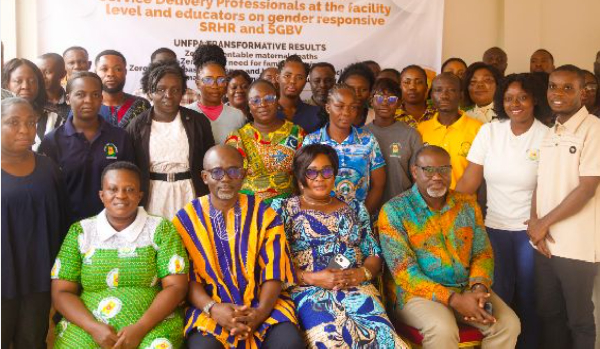
- Selected health professionals in the Eastern Region underwent a three-day training on adolescent sexual and reproductive health.
- The training was under the United Nations Population Fund (UNFPA)-Government of Ghana Eighth Country Programme.
- The training focused on Adolescent Sexual and Reproductive Health and Rights (ASRHR), Gender-Based Violence (SGBV), and Mental Health and Psychosocial Support Services.
- The training aimed to equip health professionals with the necessary knowledge and skills to address the unique needs of adolescents in the region.
The training, which took place from [DATE], brought together health professionals from various facilities in the Eastern Region, including hospitals, clinics, and community health centers. The participants were trained on the importance of adolescent sexual and reproductive health, the causes and consequences of Gender-Based Violence, and the role of health professionals in providing mental health and psychosocial support services to adolescents.
According to Dr. Moses Barima Djimatey, Eastern Regional Deputy Director of Public Health, the training was crucial in addressing the health needs of adolescents in the region. He emphasized that adolescents are vulnerable to various health risks, including unintended pregnancies, sexually transmitted infections, and mental health disorders. He noted that health professionals have a critical role to play in providing adolescents with accurate information and services to help them make informed decisions about their health and well-being.
Background & Context
The training was part of the United Nations Population Fund (UNFPA)-Government of Ghana Eighth Country Programme, which aims to improve the health and well-being of adolescents in Ghana. The programme recognizes the importance of addressing the unique needs of adolescents, including their sexual and reproductive health, in order to achieve the Sustainable Development Goals (SDGs).
The training was also supported by the United Nations Children's Fund (UNICEF), the World Health Organization (WHO), and the United States Agency for International Development (USAID). These organizations have been working with the Government of Ghana to improve the health and well-being of adolescents in the country.
Key Findings
The training highlighted the importance of addressing the unique needs of adolescents, including their sexual and reproductive health, in order to achieve the SDGs. The participants learned about the causes and consequences of Gender-Based Violence and the role of health professionals in providing mental health and psychosocial support services to adolescents.
The training also emphasized the importance of working with civil society organizations and other stakeholders to address the health needs of adolescents in the region. The participants learned about the different strategies and approaches that can be used to engage adolescents and provide them with accurate information and services to help them make informed decisions about their health and well-being.
Broader Implications
The training has broader implications for the health and well-being of adolescents in the Eastern Region. It has equipped health professionals with the necessary knowledge and skills to address the unique needs of adolescents, including their sexual and reproductive health. This will contribute to reducing the incidence of unintended pregnancies, sexually transmitted infections, and mental health disorders among adolescents in the region.
The training has also highlighted the importance of working with civil society organizations and other stakeholders to address the health needs of adolescents in the region. This will require collaboration and coordination among different stakeholders, including the Government of Ghana, civil society organizations, and international partners.
Looking Ahead
The training has set the stage for further work in promoting the health and well-being of adolescents in the Eastern Region. The health professionals who participated in the training will be equipped to provide adolescents with accurate information and services to help them make informed decisions about their health and well-being.
The Government of Ghana, civil society organizations, and international partners will continue to work together to address the health needs of adolescents in the region. This will require ongoing training and capacity-building for health professionals, as well as the development of policies and programs that support the health and well-being of adolescents.


0 Comments
Leave a Comment
No comments yet. Be the first to share your thoughts!