
Key Takeaways
- Ghana's Deputy Ranking Member on Parliament's Economy and Development Committee has questioned the government's celebration of a primary fiscal surplus.
- The surplus is attributed to lower-than-planned spending, with actual expenditure falling short of the approved budget by about 20% in the first quarter.
- The government is urged to provide greater transparency on budget implementation, particularly on how actual spending compares with approved allocations.
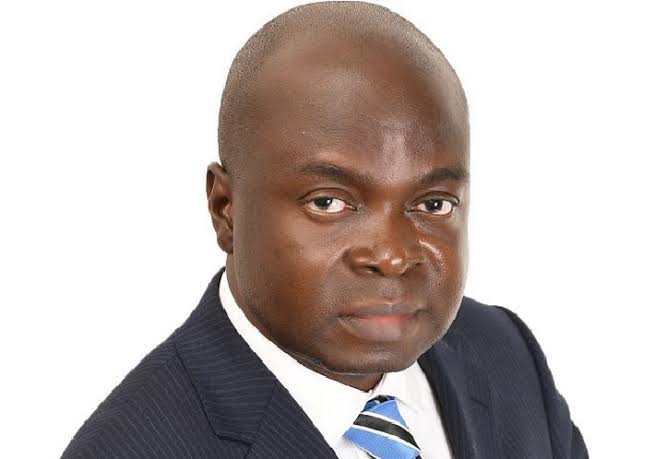
The Ghanaian government's recent announcement of a primary fiscal surplus has been met with skepticism by some members of the Parliament. Speaking on Joy FM's Newsnight, Tweneboah Kodua Fokuo, Deputy Ranking Member on Parliament's Economy and Development Committee, expressed concerns over the government's celebration of the surplus, arguing that it came after spending significantly less than what had been approved in the 2026 Budget.
According to Mr Kodua, the public deserves greater transparency on budget implementation, particularly how actual spending compares with approved allocations. He emphasized that the government's expenditure performance should be assessed against its original budget commitments rather than the amounts it had released to ministries and agencies.
Background & Context
The 2026 Budget, presented by Finance Minister Dr Cassiel Ato Forson, outlined a primary surplus of about 1.4% of GDP. However, Mr Kodua argued that this achievement should be viewed in the context of the lower-than-planned spending. He pointed out that the government's reported primary surplus is not a reflection of its commitment to fulfilling its budgeted obligations.
The debate over the government's expenditure performance is not new. In recent years, the Minority has accused the government of recording one of its weakest expenditure performances. Mr Kodua's comments are a continuation of this discussion, with a focus on the need for greater transparency in budget implementation.
Key Findings
Mr Kodua's analysis of the government's expenditure performance reveals a significant shortfall in spending. According to him, the target to spend for the first quarter was GH¢158 billion, but the actual amount spent was GH¢127 billion, short of the target by about 20%. This finding is a direct challenge to the government's assertion that it has achieved a primary fiscal surplus.
The comparison of actual spending with approved allocations is a crucial aspect of budget implementation. Mr Kodua emphasized that simply listing the amounts released to various institutions does not provide the full picture. He argued that the government must explain why planned expenditures were not fully executed, particularly in areas such as healthcare and human capital.
Broader Implications
The debate over the government's expenditure performance has broader implications for the Ghanaian economy. A primary fiscal surplus is not inherently negative, but it is crucial that the government provides transparency on how it achieved this surplus. The public deserves to know how the government's spending priorities align with its budgeted obligations.
The lack of transparency in budget implementation can erode trust in the government and the economy as a whole. Mr Kodua's comments highlight the need for greater accountability and transparency in the government's financial dealings.
Looking Ahead
The government's response to Mr Kodua's comments will be crucial in determining the direction of the debate over the primary fiscal surplus. The government must provide greater transparency on budget implementation, particularly on how actual spending compares with approved allocations.
The public deserves to know how the government's spending priorities align with its budgeted obligations. The debate over the primary fiscal surplus is not just about numbers; it is about the government's commitment to fulfilling its budgeted obligations and the transparency of its financial dealings.

0 Comments
Leave a Comment
No comments yet. Be the first to share your thoughts!