
Key Takeaways
- Ghana's youth demand sustainable jobs, not just political slogans.
- Employment provides dignity, independence, and hope for young people.
- The government must create a deliberate national strategy for youth development.
- Youth-owned businesses need support, access to affordable credit, and technical education.
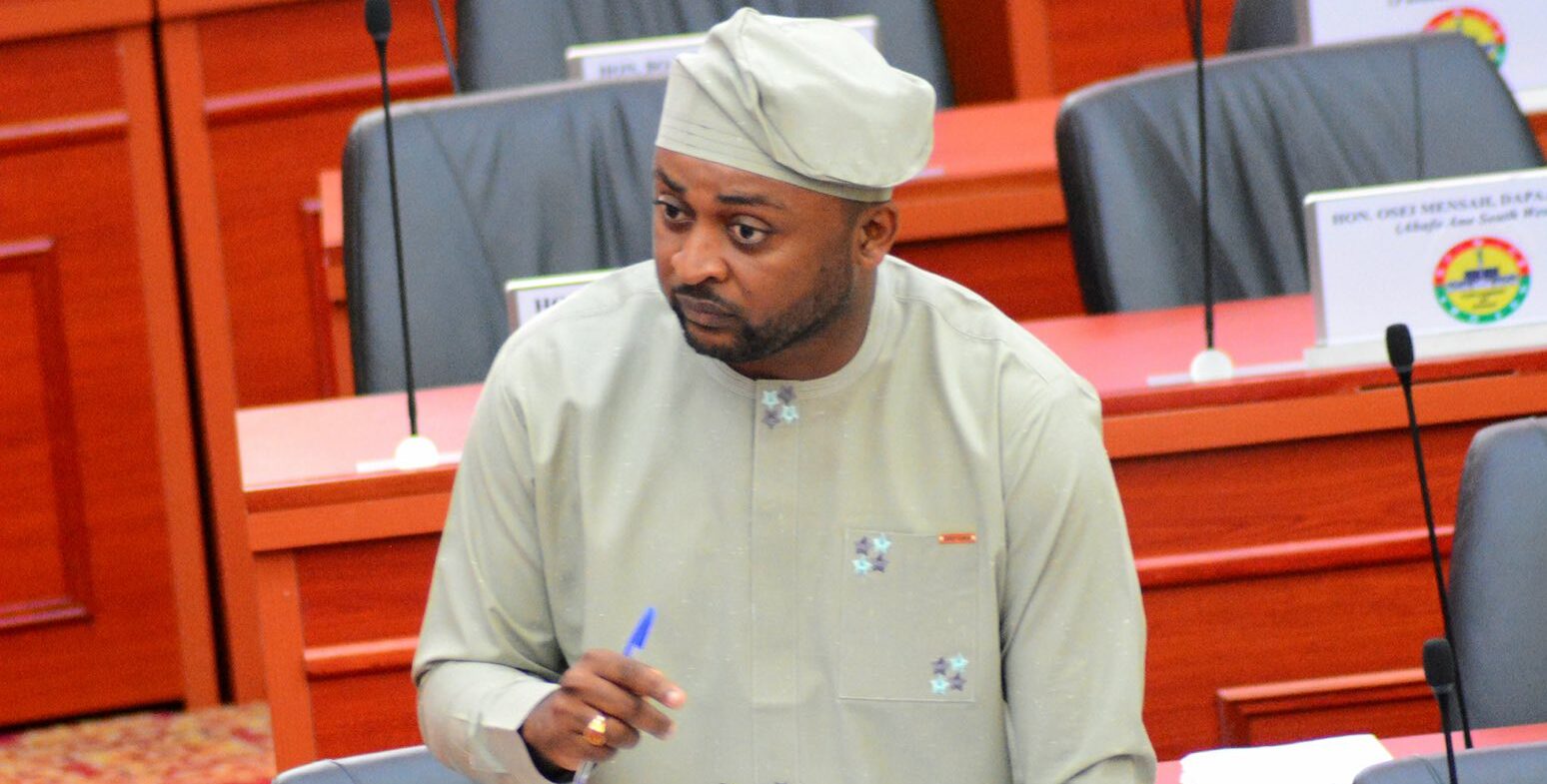
Ghana's youth are calling for more than just ceremonial celebrations and political rhetoric. They demand sustainable jobs and opportunities for national development. In a statement to mark International Youth Day on August 12, Ranking Member of Parliament's Select Committee on Youth, Sports and Culture, Vincent Ekow Assafuah, emphasized the need for a deliberate national strategy linking education and skills training to industry, entrepreneurship, technology, agriculture, and the creative economy.
The Old Tafo MP criticized the government's reliance on propaganda and political promises, arguing that youth development requires a more comprehensive approach. He called for an enabling environment for private-sector growth, support for youth-owned businesses, access to affordable credit, stronger technical and vocational education, and sustainable youth employment programs.
Background & Context
Ghana's youth population is one of the largest in West Africa, with over 60% of the population under the age of 35. However, the country's unemployment rate remains a significant concern, with estimates suggesting that over 40% of young people are unemployed. This has led to a growing sense of disillusionment and frustration among the youth, who feel that their aspirations for dignity, decent employment, and meaningful participation in national development are not being met.
The government's response to these concerns has been largely inadequate, with a focus on short-term solutions such as job creation programs and vocational training. However, these initiatives have been criticized for being piecemeal and lacking a clear strategy for addressing the root causes of unemployment.
Key Findings
Assafuah's statement highlights the need for a more comprehensive approach to youth development, one that links education and skills training to industry, entrepreneurship, technology, agriculture, and the creative economy. This requires a deliberate national strategy that addresses the skills gap, provides access to affordable credit, and supports youth-owned businesses.
The MP's call for an enabling environment for private-sector growth is also crucial, as it recognizes the potential of the private sector to drive economic growth and create jobs. However, this requires a more supportive policy environment, including tax incentives, regulatory reforms, and access to finance.
Broader Implications
The implications of Assafuah's statement extend beyond the youth to the broader Ghanaian society. A more comprehensive approach to youth development can have a positive impact on economic growth, social stability, and human development. By investing in the skills and education of young people, the government can create a more productive and competitive workforce, which can drive economic growth and reduce poverty.
Furthermore, a more comprehensive approach to youth development can also have a positive impact on social stability. By providing young people with opportunities for decent employment and meaningful participation in national development, the government can reduce the likelihood of social unrest and promote a more stable and peaceful society.
Looking Ahead
As Ghana's youth continue to demand sustainable jobs and opportunities, the government must take a more comprehensive approach to youth development. This requires a deliberate national strategy that links education and skills training to industry, entrepreneurship, technology, agriculture, and the creative economy. By investing in the skills and education of young people, the government can create a more productive and competitive workforce, which can drive economic growth and reduce poverty.
The Old Tafo MP's call for an enabling environment for private-sector growth is also crucial, as it recognizes the potential of the private sector to drive economic growth and create jobs. However, this requires a more supportive policy environment, including tax incentives, regulatory reforms, and access to finance.





0 Comments
Leave a Comment
No comments yet. Be the first to share your thoughts!