
Key Takeaways
- Government distributes over 24,000 medical equipment to strengthen primary healthcare delivery.
- Interventions focus on expanding access to quality healthcare in underserved communities.
- Free Primary Healthcare Policy launched in April 2026 aims to reduce barriers to medical attention.
- Government deploys motorbikes, tricycles, and mobile outreach equipment to improve healthcare delivery in hard-to-reach communities.
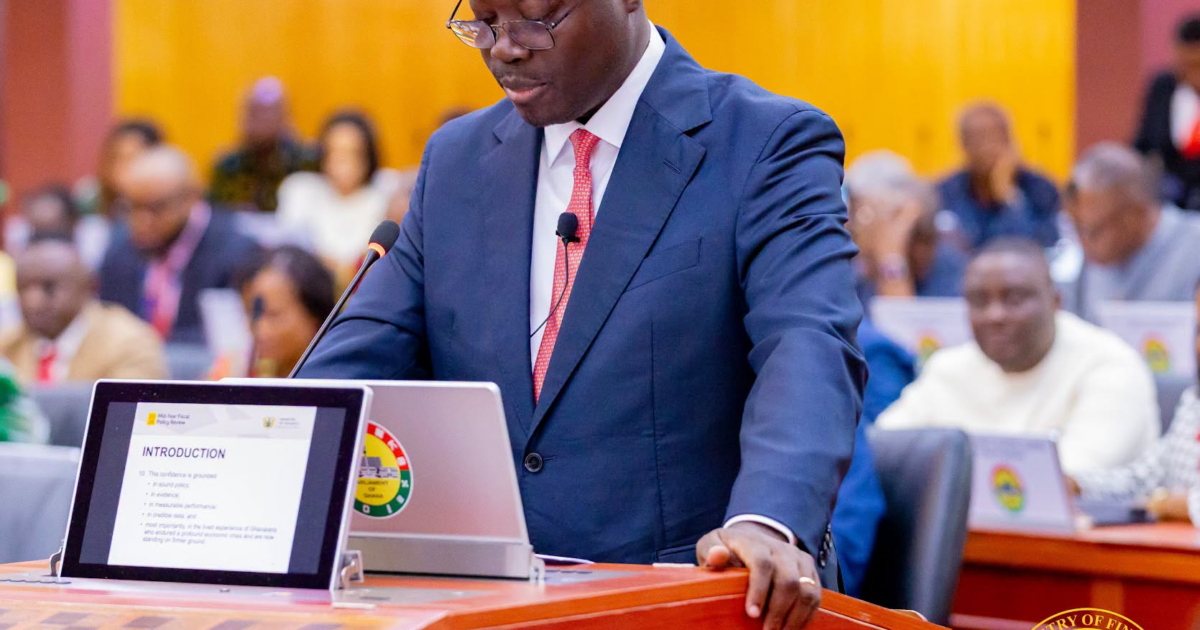
The Ghanaian government has intensified its efforts to strengthen primary healthcare delivery across the country. During the presentation of the 2026 Mid-Year Budget Review to Parliament, Finance Minister Dr Cassiel Ato Forson announced the distribution of over 24,000 medical equipment to support healthcare facilities.
The move is part of the government's commitment to ensuring that all Ghanaians have access to essential healthcare services, regardless of their income levels or geographical location. This commitment is being implemented through the Free Primary Healthcare Policy, launched in April 2026, with the first phase focusing on 150 underserved districts across the country.
Background & Context
Primary healthcare is a critical component of the healthcare system, providing essential services such as preventive care, diagnosis, and treatment of common health conditions. In Ghana, the primary healthcare system faces significant challenges, including inadequate infrastructure, limited access to healthcare services, and a shortage of healthcare professionals.
The government's Free Primary Healthcare Policy aims to address these challenges by expanding access to quality healthcare in underserved communities. The policy focuses on improving the ability of health facilities to provide effective diagnosis, emergency response, and quality maternal and newborn care.
Key Findings
The government has distributed over 24,000 medical equipment, including diagnostic, emergency, and maternal care equipment, to strengthen healthcare facilities. Additionally, the government has deployed motorbikes, tricycles, and mobile outreach equipment to improve healthcare delivery in hard-to-reach communities.
Community screening programmes for hypertension, diabetes, cancers, and other non-communicable diseases have been expanded, while work is ongoing to establish health kiosks, container-based health posts, and upgrade existing primary healthcare facilities.
Broader Implications
The government's interventions have significant implications for the primary healthcare system in Ghana. By expanding access to quality healthcare, the government is helping to reduce the burden of non-communicable diseases, improve maternal and child health outcomes, and enhance the overall well-being of Ghanaians.
The policy also has broader implications for the country's economic development. By investing in primary healthcare, the government is helping to reduce healthcare costs, improve productivity, and enhance economic growth.
Looking Ahead
The government's commitment to strengthening primary healthcare delivery is a critical step towards achieving the United Nations' Sustainable Development Goals (SDGs). The Free Primary Healthcare Policy is a key component of the government's strategy to improve access to quality healthcare and reduce health inequities in Ghana.
As the government continues to implement the policy, it is essential to monitor its progress and address any challenges that may arise. With sustained commitment and investment, the government can ensure that all Ghanaians have access to quality primary healthcare services, regardless of their income levels or geographical location.

0 Comments
Leave a Comment
No comments yet. Be the first to share your thoughts!