
Key Takeaways
- The NPP urges the Chief Justice to retract statements praising the NDC government or step down.
- The party alleges a breach of judicial neutrality and possible coordination with the executive.
- The demand follows a video in which the Chief Justice offered comparative political commentary.
- The episode raises questions about separation of powers in Ghana’s constitutional framework.
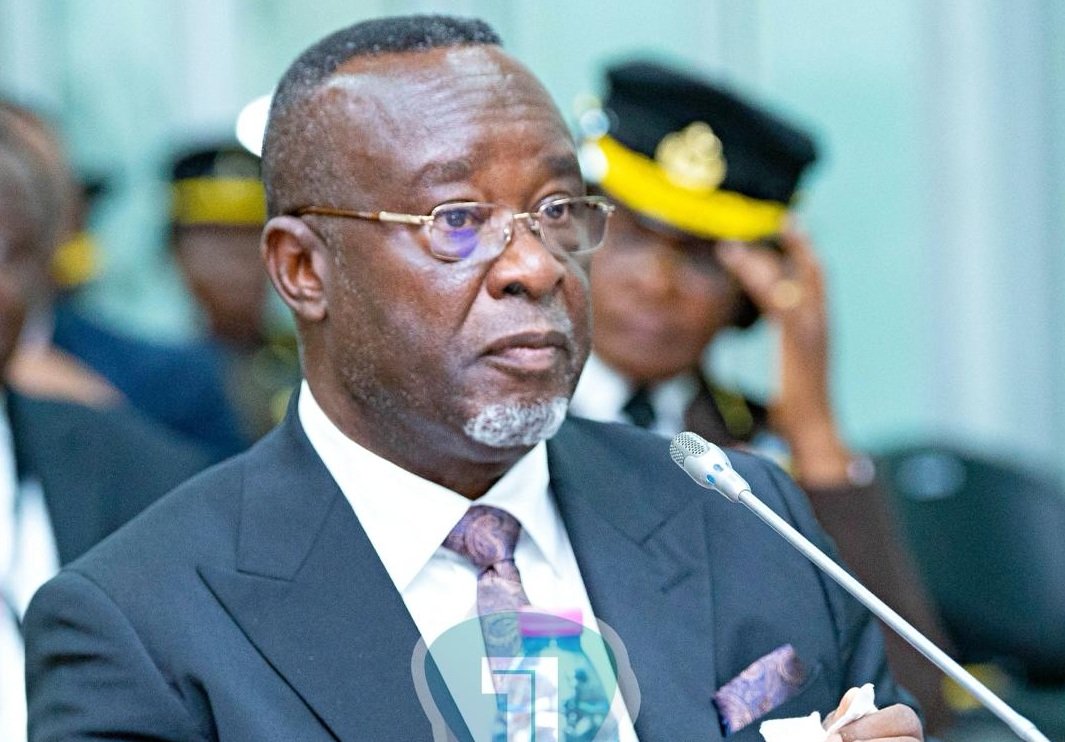
The New Patriotic Party issued a formal demand on 3 September 2026 that Ghana’s Chief Justice either withdraw remarks that appeared to commend the performance of the National Democratic Congress administration or resign from office. The statement, signed by General Secretary Justin Kodua Frimpong, described the comments as evidence of a “chilling credence” to concerns that the judiciary is aligning with the executive.
The party’s reaction, framed as “profound shock and disgust,” was triggered by a circulating video in which the Chief Justice provided comparative political analysis, a rarity for the head of the judiciary in Ghana’s political landscape.
Background & Context
Ghana’s constitution enshrines the independence of the judiciary as a cornerstone of democratic governance. The Chief Justice, appointed by the President with parliamentary approval, is expected to remain above partisan politics. Historically, the bench has refrained from public commentary on government performance, preserving a clear separation from the executive and legislative branches.
The current Chief Justice assumed office in 2024 after a contentious confirmation process that highlighted tensions between the ruling NDC and opposition parties. Prior to his appointment, he served on the Court of Appeal and was noted for rulings on electoral disputes, which positioned him as a figure of legal prominence but also political sensitivity.
Political Reactions
The NPP’s demand reflects a broader pattern of opposition scrutiny of institutions perceived to be under the influence of the ruling party. Party officials argue that any public endorsement of government policy by the judiciary undermines public confidence and contravenes the principle of impartial adjudication.
Government representatives have so far declined to comment on the internal dynamics of the judiciary, emphasizing the separation of powers. Legal scholars, however, note that the Chief Justice’s remarks, while not overtly partisan, could be interpreted as an implicit endorsement, especially given the timing amid debates over economic reforms and anti‑corruption initiatives.
Constitutional Implications
Article 125 of Ghana’s constitution provides mechanisms for the removal of a judge, including the Chief Justice, on grounds of inability to perform duties or proven misconduct. Initiating such a process requires a parliamentary vote and a substantive investigation, making it a politically delicate undertaking.
Experts caution that a precipitous call for resignation may set a precedent for politicizing judicial conduct, potentially eroding the judiciary’s autonomy. Conversely, failure to address perceived bias could fuel public distrust and embolden challenges to judicial decisions in future electoral disputes.
Looking Ahead
The forthcoming weeks are likely to see intensified dialogue between the NPP, the judiciary, and civil society groups advocating for institutional integrity. Any formal complaint lodged with the Judicial Council could trigger an inquiry, while the Chief Justice may issue a clarification or apology to mitigate the controversy.
Observers will assess whether this episode prompts legislative reforms aimed at reinforcing judicial independence or whether it deepens partisan polarization within Ghana’s democratic framework.


0 Comments
Leave a Comment
No comments yet. Be the first to share your thoughts!