
Key Takeaways
- NPP is formulating a formal response to proposed constitutional changes affecting district‑level elections.
- The review committee’s report and government paper have sparked debate over candidate nomination rules.
- Proposals include allowing political parties and independents to contest district assembly seats, a shift from current restrictions.
- Any amendment requiring a referendum will demand extensive voter education across Ghana.
The Constitution Review Implementation Committee, newly installed in August, is steering a nationwide overhaul of Ghana’s foundational charter. Central to the discussion are reforms to district assembly elections, an issue that has quickly become a flashpoint between the ruling party and the opposition.
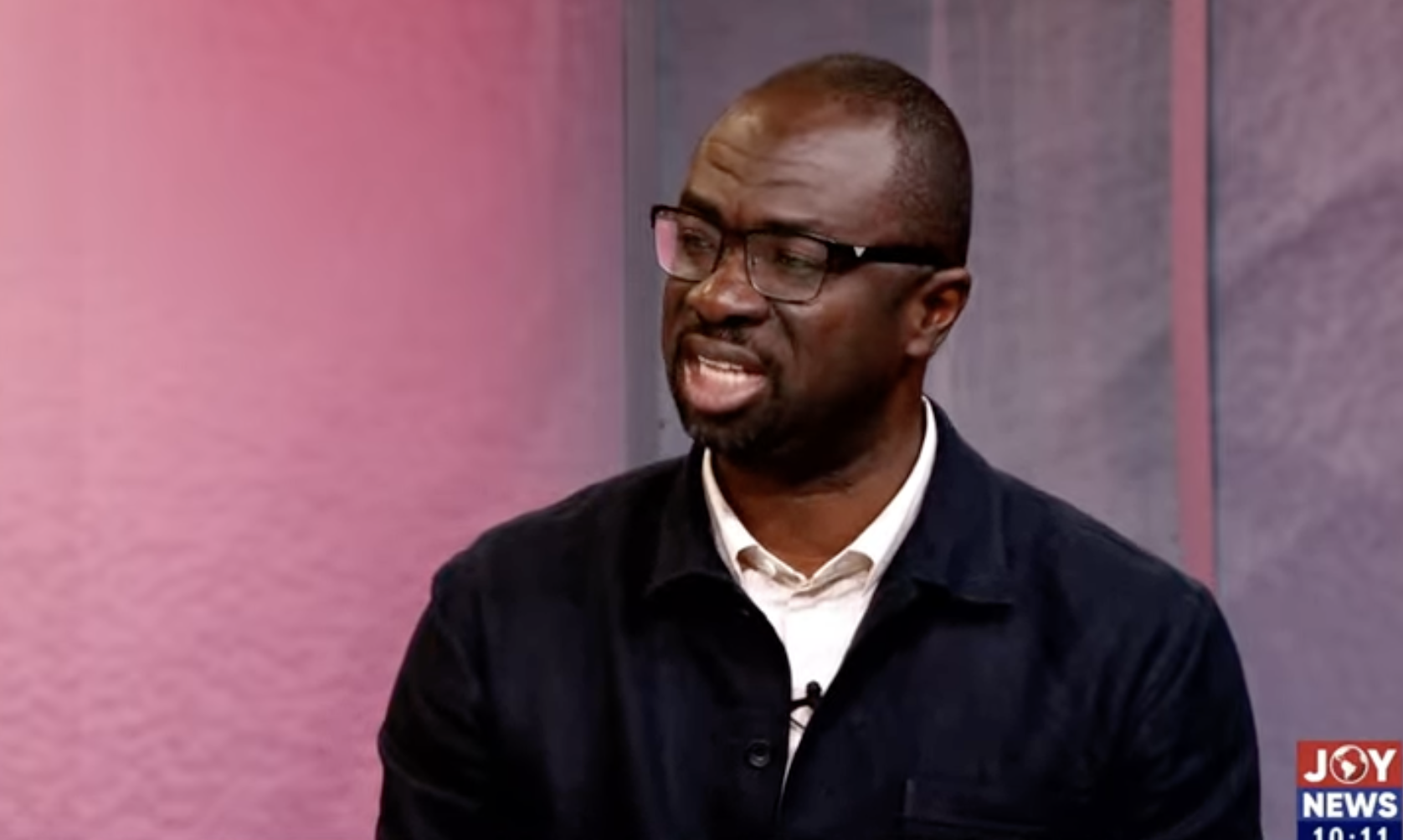
Manhyia South MP Nana Agyei Baffour Awuah, a member of Parliament’s Legal and Constitutional Affairs Committee, warned that the New Patriotic Party must articulate its position before the amendment process proceeds, especially given the likelihood of referenda on several provisions.
Background and Stakeholder Consultations
The Constitution Review Committee, chaired by Professor H. Kwesi Prempeh, conducted a series of consultations with political parties, civil society groups, and governmental bodies before delivering its report. While the exact content of the opposition’s earlier submissions remains undisclosed, the process underscores the multiplicity of voices shaping the reform agenda.
Historical attempts to alter the selection of District Chief Executives have repeatedly stalled. Former President Nana Addo Dankwa Akufo‑Addo once advocated for universal adult suffrage in appointing these executives, a proposal that met resistance over concerns about partisan infiltration at the local level.
NPP’s Stance on District Assembly Elections
The party’s forthcoming position paper, already submitted to flagbearer Dr Mahamudu Bawumia, endorses a dual pathway: political parties should be free to nominate candidates, while independent aspirants must retain the right to run on their own behalf. This mirrors practices in mature democracies where party affiliation and independent candidacy coexist.
Awuah emphasized that any system restricting nominations to a narrow set of groups would undermine democratic competitiveness. He argued that the electorate should have access to a broader slate of candidates, rather than a roster pre‑selected by ruling entities.
Implications for Ghana’s Democratic Process
Should the amendments proceed to a referendum, the logistical challenge of educating voters—particularly in remote areas—will be substantial. Awuah illustrated the dilemma by citing his grandmother in Achiase, questioning how ordinary citizens will navigate multiple yes‑no votes on complex constitutional provisions.
Experts note that voter literacy, access to unbiased information, and transparent campaigning will be pivotal in preventing the reform process from being dominated by elite interests. The balance between party‑sponsored and independent candidacies could reshape local governance, influencing service delivery and accountability.
Looking Ahead
The Constitution Review Implementation Committee, led by Presidential Legal Counsel Marietta Agyeiwaa Brew, is tasked with translating the committee’s recommendations into actionable frameworks. Its next steps include harmonising the government’s position paper with opposition inputs and setting timelines for any required referenda.
As the political landscape braces for a potentially protracted debate, the NPP’s clarified stance will likely serve as a benchmark for other stakeholders, shaping the contours of Ghana’s constitutional evolution in the months to come.




0 Comments
Leave a Comment
No comments yet. Be the first to share your thoughts!