
Key Takeaways
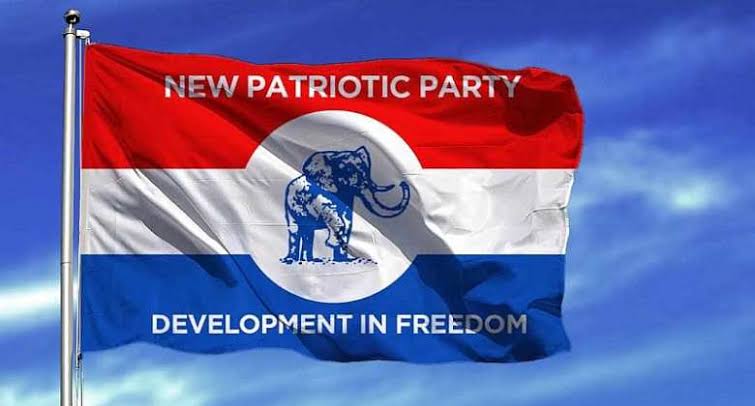
- The New Patriotic Party (NPP) is holding regional executive elections across 15 regions in Ghana.
- The polls will determine regional leadership teams responsible for grassroots mobilisation and organisational activities ahead of the 2028 general election.
- Delegates will elect regional chairmen, vice-chairmen, secretaries, treasurers, organisers, and other key positions.
The New Patriotic Party (NPP) is embarking on a major reorganisation ahead of the 2028 general election, with regional executive elections set to be held across 15 regions in Ghana on Saturday, August 15, 2026. The Western North Region will vote on Sunday, August 16. The polls are expected to produce regional leadership teams responsible for grassroots mobilisation and organisational activities, ultimately shaping the party's strategy for the upcoming general election.
The reorganisation is a crucial step in rebuilding the party after its defeat in the 2024 general election. The elections will see delegates elect regional chairmen, vice-chairmen, secretaries, treasurers, organisers, and other key positions, which will form the regional executive committees. These committees will be responsible for mobilising party members, strengthening grassroots structures, and leading organisational activities in their respective regions.
Background & Context
The NPP's regional executive elections are a critical aspect of the party's internal dynamics. The outcome of the polls will have significant implications for the party's 2028 general election strategy. Regional leadership teams will be responsible for uniting party members, strengthening grassroots structures, and leading organisational activities. This will enable the party to effectively mobilise support and resources ahead of the general election.
The reorganisation process is also expected to attract significant attention, with several key battlegrounds emerging across the country. The Ashanti and Greater Accra regions are expected to be particularly competitive, with prominent candidates vying for regional chairmanship positions. The polls will also see several incumbent regional chairmen seeking to retain their positions against challengers.
Key Findings
The polls have attracted significant attention, with several prominent candidates vying for regional chairmanship positions. In the Ashanti Region, Odeneho Kwaku Appiah, popularly known as COKA, is taking on former Environmental Protection Agency Chief Executive Dr Henry Kwabena Kokofu for the chairmanship. In the Greater Accra Region, former Ledzokuku MP and former National Health Insurance Authority Chief Executive Dr Bernard Okoe-Boye faces former Regional Executive member Alfred Boye in a two-horse contest for the chairmanship.
Several incumbent regional chairmen are also seeking to retain their positions against challengers. In Bono, incumbent Kwame Baffoe, popularly known as Abronye, faces Kwabena Oppong, Evans Afari Gyan Yeboah, Yaw Afful, and Joseph Mensah. The Western Region contest features Abdul Ganiyu Mohammed, Ignatius Kwasi Afrifa, and Kwame Opare Addo.
Broader Implications
The outcome of the regional elections will have significant implications for the NPP's 2028 general election strategy. Regional leadership teams will be responsible for uniting party members, strengthening grassroots structures, and leading organisational activities. This will enable the party to effectively mobilise support and resources ahead of the general election.
The polls will also provide an opportunity for the party to assess its strengths and weaknesses ahead of the general election. The regional leadership teams will be expected to identify key areas of focus and develop strategies to address them. This will enable the party to present a united front and present a more effective challenge to the ruling party in the general election.
Looking Ahead
The outcome of the regional elections will be closely watched by party members and observers alike. The polls will provide an indication of the party's internal dynamics and its ability to present a united front in the general election. Regional leadership teams will be expected to unite party members, strengthen grassroots structures, and lead organisational activities in their respective regions.
The new regional executives will be expected to work closely with the national leadership to develop a comprehensive strategy for the general election. This will include identifying key areas of focus, developing campaign strategies, and mobilising party members and resources. The party's internal dynamics will play a critical role in determining its success in the general election.
0 Comments
Leave a Comment
No comments yet. Be the first to share your thoughts!