
Key Takeaways
- The Ghana Cocoa Board's Head of Public Affairs, Jerome Kwame Sam, revealed that Parliament identified and corrected a constitutional flaw in the new Cocoa Bill.
- The initial provision in the Bill would have required the Chief Executive of COCOBOD to give express permission even after a person had been granted a mining license, contradicting the Constitution and the Minerals and Mining Act.
- The Parliament's scrutiny process led to the deletion of provisions that required correction, ensuring the Bill aligns with the country's constitutional framework.
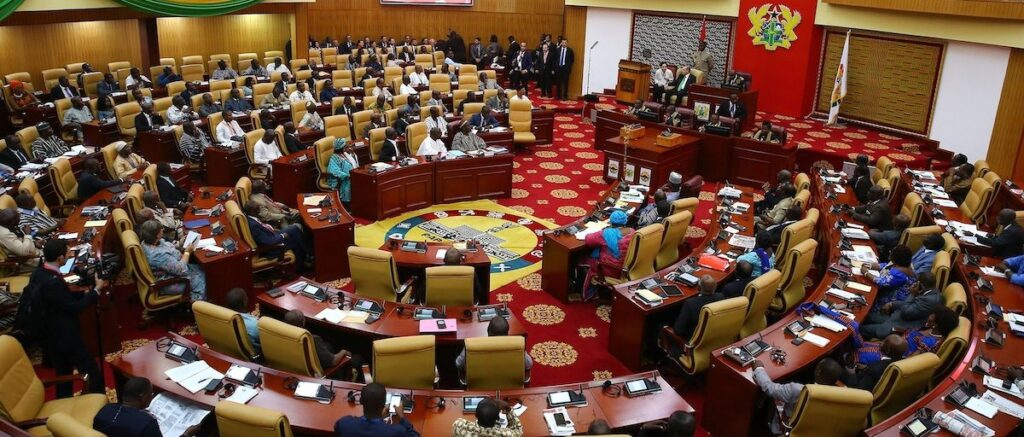
The new Cocoa Bill, aimed at regulating the cocoa sector, has been the subject of ongoing debate in Ghana's Parliament. In a recent statement, Jerome Kwame Sam, the Head of Public Affairs at the Ghana Cocoa Board (COCOBOD), shed light on the legislative process surrounding the Bill.
According to Sam, an initial provision in the Bill would have required the Chief Executive of COCOBOD to give express permission even after a person had been granted a mining license. However, this provision was found to be inconsistent with the Constitution and the Minerals and Mining Act during Parliament's scrutiny of the Bill.
Background & Context
The Cocoa Bill is a significant piece of legislation aimed at regulating the cocoa sector in Ghana. The Bill seeks to introduce several reforms to the existing laws governing the sector, with the primary objective of protecting the interests of cocoa farmers.
Mineral deposits in Ghana are vested in the President under the Constitution, while the relevant minister, acting on that authority, issues mining licenses. Therefore, requiring an additional approval from the COCOBOD Chief Executive after a valid mining license had been issued would create a conflict with the constitutional framework.
Key Findings
The Parliament's scrutiny process played a crucial role in identifying and correcting the constitutional flaw in the Bill. The legislative committee and fine lawyers in Parliament worked together to ensure that the Bill aligns with the country's constitutional framework.
The process involved clause-by-clause examination of the Bill, where necessary amendments, deletions, and expungements were made. This demonstrates the importance of Parliament's role in scrutinizing legislation to prevent potential conflicts with the Constitution.
Broader Implications
The passage of the Cocoa Bill has significant implications for the cocoa sector in Ghana. The Bill introduces several reforms aimed at protecting the interests of cocoa farmers, which is essential for the sector's sustainability and growth.
The legislation also highlights the importance of Parliament's scrutiny process in ensuring that legislation aligns with the country's constitutional framework. This is a critical aspect of the legislative process, as it prevents potential conflicts and ensures that laws are fair and just.
Looking Ahead
The Cocoa Bill is now before President John Mahama for consideration after its passage by Parliament. The President's decision will determine the fate of the Bill, and its impact on the cocoa sector in Ghana.
The passage of the Bill marks an important step towards regulating the cocoa sector in Ghana. The reforms introduced in the Bill aim to protect the interests of cocoa farmers, which is essential for the sector's sustainability and growth.





0 Comments
Leave a Comment
No comments yet. Be the first to share your thoughts!