
Key Takeaways
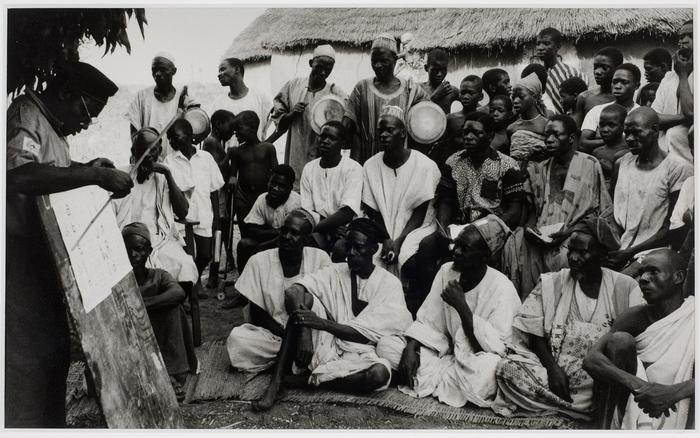
- The 1954 footage captures an English language lesson for adults in the Gold Coast, showcasing a unique teaching method.
- The method, which focused on listening, repetition, and observation, was surprisingly simple and devoid of modern technology.
- The footage offers a glimpse into the lives of ordinary people learning English in a society undergoing transition.
In a fascinating discovery, a 1954 footage has resurfaced, revealing a forgotten world where learning English looked remarkably different. The video takes viewers inside an English lesson for adults in the Gold Coast, now known as Ghana, and showcases a unique teaching method that was surprisingly simple.
The footage, shared by Ghana Facts & History, offers more than just an old language lesson. It captures a moment in Ghana's history when English was still a language many people were learning, rather than one they had grown up speaking. The method, which focused on listening, repetition, and observation, was devoid of modern technology, relying on words, repetition, and everyday objects and actions.
Background & Context
In 1954, Ghana was still under British colonial rule, and independence was three years away. English had already become firmly established in formal education, colonial administration, and other areas of public life. However, not everyone could speak it fluently, making learning English an opportunity for many adults to communicate in spaces where the language was increasingly important.
The footage is a snapshot of a society in transition, where adults were learning a language that had become crucial in education, administration, and public life. They were acquiring a skill that could open doors to communication, employment, and participation in institutions where English was the dominant language.
Key Findings
The footage offers a unique perspective on how English was taught in the past, highlighting the importance of human interaction and repetition in language learning. The teacher relied on simple demonstrations and everyday objects to help learners connect unfamiliar words with things they could see and experience in everyday life.
The method was designed to help adults connect English words with their everyday experiences, making the language more relatable and accessible. Modern language teachers still encourage students to say words aloud, repeat phrases, associate vocabulary with objects, and practise language in everyday situations, demonstrating that some principles have survived despite the advent of technology.
Broader Implications
The footage raises questions about the evolution of English in Ghana, from its association with colonial rule to its becoming an integral part of Ghanaian identity. It highlights the importance of understanding the history of language learning and how it has shaped the country's cultural and linguistic landscape.
The lesson itself may appear ordinary, but 72 years later, it has become history. The footage offers a chance to witness an ordinary moment from the Gold Coast with our own eyes, raising questions about education, language, and identity.
Looking Ahead
The 1954 footage is a reminder that language learning has come a long way since then, with technology transforming the way we learn and interact with languages. However, some principles, such as repetition and human interaction, remain essential in language acquisition.
As Ghana continues to evolve and adapt to the changing world, it is essential to remember the history of language learning and the importance of understanding the complexities of language and identity.




0 Comments
Leave a Comment
No comments yet. Be the first to share your thoughts!